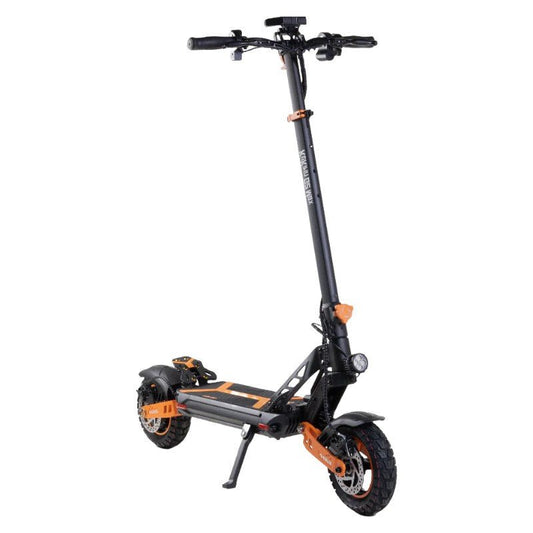
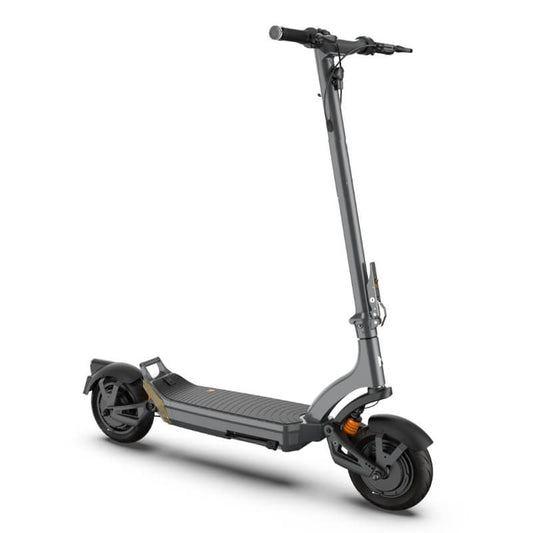
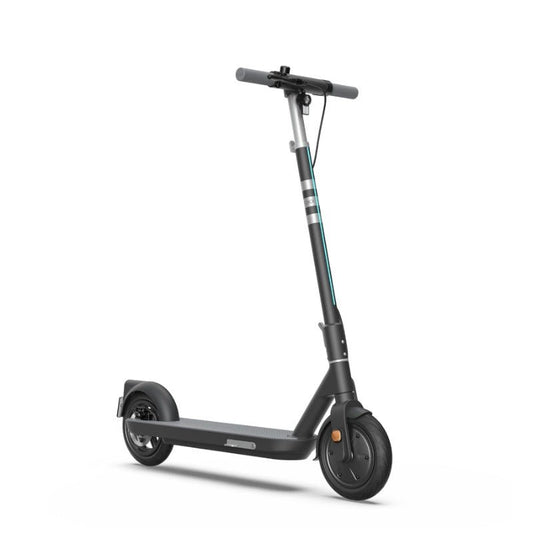
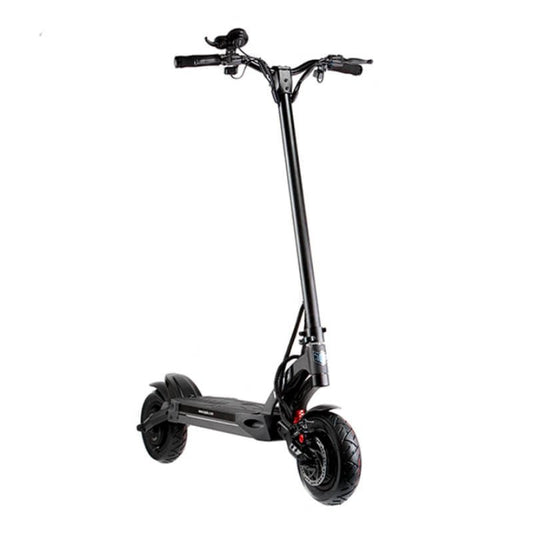
Electric scooters may look simple from the outside, but several important systems work together every time you accelerate, brake, or charge the battery. From the motor and controller to the battery, brakes, throttle, and tires, every component affects how the scooter performs and how safe it feels to ride.
This beginner-friendly guide explains how electric scooters work, what the main parts do, how power moves through the system, and what riders should know about maintenance, performance, and common scooter problems.
Whether you ride daily or are just getting interested in scooter technology, understanding the basics can help you choose the right scooter, recognize early mechanical issues, and ride more confidently.
What Makes an Electric Scooter Move?
At its core, an electric scooter works by converting electrical energy from the battery into mechanical energy that turns the wheels.
Even though different scooter models use different motors, batteries, and controllers, the basic process is similar:
Throttle input → Controller receives signal → Battery releases power → Controller regulates voltage/current → Motor spins the wheel → Scooter moves
When the rider presses the throttle, the controller tells the battery and motor how much power to deliver. The motor then converts that electrical power into movement.
The smoother and more efficiently these systems work together, the better the scooter feels during acceleration, braking, climbing hills, and maintaining speed.
Main Parts of an Electric Scooter

An electric scooter is made up of several important systems working together.
Battery
The battery stores electrical energy and powers the scooter.
Controller
The controller acts like the brain of the scooter and regulates power delivery.
Motor
The motor converts electrical energy into movement.
Throttle
The throttle tells the scooter how much acceleration the rider wants.
Brakes
The braking system slows or stops the scooter safely.
Tires and suspension
These affect comfort, grip, stability, and ride quality.
Display and electronics
Most scooters also include a display, lights, sensors, wiring, and charging systems.
If any of these components stop working properly, the scooter may lose power, feel unsafe, or stop functioning entirely. For diagnostics and repairs, ProMechBC offers electric scooter repair in Vancouver.
How the Battery Powers the Scooter
The battery is the scooter’s energy source. Most modern electric scooters use lithium-ion batteries because they are lightweight, rechargeable, and relatively energy efficient.
Battery size affects:
- Riding range
- Acceleration
- Hill-climbing ability
- Top speed
- Overall performance

Two common battery measurements are:
Voltage (V)
Voltage affects how much power the system can deliver.
Capacity (Ah or Wh)
Capacity affects how long the scooter can operate before needing a recharge.
For example, a scooter with a larger battery may travel farther on a single charge, especially during city commuting or longer recreational rides.
What damages scooter batteries?
Battery performance can decline because of:
- Age
- Frequent deep discharging
- Heat exposure
- Water damage
- Poor charging habits
- Cheap chargers
- Long periods without use
If your scooter suddenly loses range, shuts off unexpectedly, charges inconsistently, or overheats, the battery may need inspection. ProMechBC also offers battery diagnostics and repair for electric scooters and e-bikes.
How the Controller Works
The controller is one of the most important parts of an electric scooter. It manages how power flows between the battery, motor, throttle, brakes, and electronic systems.
You can think of the controller as the scooter’s central control system.
When you press the throttle:
- The throttle sends a signal.
- The controller reads the signal.
- The controller requests power from the battery.
- The controller regulates how much current reaches the motor.
- The motor responds by accelerating the wheel.
What the controller also manages
The controller may also help manage:
- Speed limits
- Acceleration behaviour
- Electronic braking
- Regenerative braking
- Battery protection
- Overheating protection
- Error codes
- Cruise control functions
Signs of controller problems
A failing controller may cause:
- Sudden power loss
- Jerky acceleration
- Throttle delay
- Error messages
- Motor hesitation
- Overheating
- Inconsistent speed
Controller problems are sometimes mistaken for battery or motor problems, which is why proper diagnostics matter.
How the Motor Turns the Wheels
The motor converts electrical energy into mechanical movement.
Most electric scooters use brushless DC motors (BLDC motors) because they are quieter, more efficient, and require less maintenance than older brushed motors.
How the motor works
Inside the motor:
- Electrical current creates magnetic fields.
- Magnetic forces cause the motor to rotate.
- The wheel spins.
- The scooter moves forward.
Motor wattage affects:
- Acceleration
- Hill-climbing ability
- Rider load capacity
- Top speed
- Overall torque
A higher wattage scooter usually performs better on hills and during acceleration, although battery quality and controller tuning also matter.
Common motor issues
Motor problems may include:
- Overheating
- Water damage
- Bearing wear
- Wiring issues
- Reduced torque
- Grinding sounds
- Vibration
If the scooter feels weak, noisy, or inconsistent under acceleration, a motor inspection may be necessary.
Hub Motors vs Belt-Driven Systems
Most commuter scooters use hub motors, but some higher-performance scooters use belt-driven systems.
Hub motor scooters
Hub motors are built directly into the wheel.
Advantages
- Simpler design
- Quieter operation
- Lower maintenance
- Compact layout
- Better weather resistance
Common use
Hub motors are very common on commuter scooters and urban riding models.
Belt-driven scooters
Belt-driven systems transfer motor power through a belt.
Advantages
- Stronger torque feel
- Better performance tuning
- More aggressive acceleration
Disadvantages
- More maintenance
- More exposed components
- More noise
- Higher wear
Which system is better?
For most city riders, hub motors are more practical because they are simpler and easier to maintain. Belt-driven systems are more common on performance-oriented scooters.
What the Throttle Actually Does
The throttle is the rider’s input device.
When you press the throttle:
- A signal is sent to the controller.
- The controller adjusts power delivery.
- The motor responds.
- The scooter accelerates.
The farther the throttle is pressed, the more power the controller may send to the motor.
Common throttle types
Electric scooters may use:
- Thumb throttles
- Trigger throttles
- Twist throttles
Signs of throttle problems
Throttle issues may cause:
- Delayed acceleration
- Sudden acceleration spikes
- Inconsistent speed
- No response
- Error codes
Throttle-related problems can sometimes be electrical rather than mechanical.
How Electric Scooter Brakes Work

Electric scooters use several different braking systems depending on the model and price range.
Mechanical brakes
Mechanical brakes physically slow the wheel.
These may include:
- Disc brakes
- Drum brakes
Electronic brakes
Electronic braking uses the motor to help slow the scooter.
Regenerative braking
Some scooters also use regenerative braking systems to recover a small amount of energy during braking.
Why brake maintenance matters
Brakes are one of the most important safety systems on any scooter.
Weak brakes can increase stopping distance and make wet-weather riding more dangerous.
You may need electric scooter brake repair if:
- The scooter takes longer to stop
- You hear grinding or squealing
- The brake lever feels loose
- Braking feels inconsistent
- The scooter pulls to one side
- Brake response changes suddenly
Regenerative Braking Explained
Regenerative braking is a feature found on many electric scooters.
When regenerative braking activates:
- The motor temporarily acts like a generator.
- Some kinetic energy converts back into electrical energy.
- A small amount of power returns to the battery.
Does regenerative braking replace normal brakes?
No.
Regenerative braking may slightly improve efficiency, but it does not replace proper mechanical braking systems. Riders should still maintain their disc or drum brakes regularly.
Benefits of regenerative braking
- Slight energy recovery
- Reduced brake wear in some cases
- Smoother deceleration on some scooters
Limitations
- Limited energy recovery
- Less effective at emergency stopping
- Different performance depending on battery level and controller design
What Affects Scooter Speed and Range?
Many riders wonder why their scooter does not always achieve the advertised top speed or battery range.
Several real-world factors affect performance.
Rider weight
Heavier loads require more energy.
Hills and terrain
Steep hills increase power demand.
Tire pressure
Low tire pressure increases rolling resistance and reduces efficiency.
Wind resistance
Strong wind affects battery consumption.
Battery condition
Older batteries may lose efficiency over time.
Weather and temperature
Cold weather often reduces battery performance and range.
Motor wattage
Higher wattage scooters may accelerate more aggressively and handle hills more effectively.
Riding style
Aggressive acceleration drains batteries faster.
If your scooter suddenly feels slower or loses range unusually quickly, it may need inspection. ProMechBC offers electric scooter diagnostics and repair in Vancouver for performance-related problems.
Why Tires and Suspension Matter
Tires and suspension affect far more than comfort.
They also influence:
- Stability
- Grip
- Safety
- Cornering
- Wet-weather performance
- Braking performance
Solid tires vs air-filled tires
Solid tires
- Lower maintenance
- No flats
- Harsher ride
Pneumatic (air-filled) tires
- Better grip
- Better comfort
- Better shock absorption
- More vulnerable to punctures
Why suspension matters
Suspension helps absorb bumps, cracks, and uneven pavement.
This becomes more important on:
- Longer rides
- Rough city streets
- Higher-speed scooters
- Wet conditions
Signs of tire problems
You may need electric scooter tire repair if:
- The tire loses air repeatedly
- You notice vibration
- The tire slips more easily
- The tread looks worn
- The scooter feels unstable
Common Electric Scooter Problems
Like any vehicle, electric scooters experience wear over time.

Common electric scooter problems include:
- Battery degradation
- Charging issues
- Throttle delay
- Controller failure
- Motor overheating
- Brake wear
- Tire punctures
- Water damage
- Loose stem or handlebars
- Electrical connection problems
Water damage is more common than many riders expect
Even water-resistant scooters can develop problems after repeated wet-weather exposure.
If you ride regularly in Vancouver rain, read our e-scooter waterproofing guide for practical maintenance and protection tips.
When to Repair vs Replace Components
Some scooter parts are relatively inexpensive and easy to replace, while others may justify a larger repair decision.
Usually worth repairing
- Tires
- Tubes
- Brake pads
- Brake cables
- Throttles
- Lights
- Fenders
- Minor wiring issues
May require deeper evaluation
- Batteries
- Controllers
- Motors
- Structural frame damage
When replacement may make more sense
If the scooter is very old, heavily damaged, poorly supported, or experiencing multiple expensive failures, replacement may sometimes be more practical than major repairs.
A proper inspection can help determine the best option.
Frequently Asked Questions
How does an electric scooter work?
An electric scooter works by using battery power to send electricity through a controller to a motor, which spins the wheel and moves the scooter forward.
What are the main parts of an electric scooter?
The main parts include the battery, controller, motor, throttle, brakes, tires, suspension, and display system.
What does the controller do on an electric scooter?
The controller regulates power delivery between the battery and motor and manages acceleration, braking, speed control, and electronic protection systems.
How does a scooter motor work?
The motor converts electrical energy into mechanical movement using magnetic forces that rotate the wheel.
What is regenerative braking?
Regenerative braking allows the motor to temporarily act like a generator during braking and send a small amount of energy back into the battery.
What affects electric scooter range?
Range depends on battery size, rider weight, terrain, tire pressure, weather, riding style, hills, and motor efficiency.
How long do scooter batteries last?
Most lithium-ion scooter batteries last several years, although performance gradually declines over time depending on usage and charging habits.
Why is my scooter losing power?
Possible causes include battery degradation, controller problems, overheating, motor issues, low tire pressure, or electrical faults.
What is a hub motor?
A hub motor is a motor built directly into the wheel. Most commuter electric scooters use hub motor systems because they are compact and low maintenance.
How do scooter brakes work?
Scooter brakes may use mechanical disc brakes, drum brakes, electronic braking, regenerative braking, or a combination of these systems.