Stand-Up Electric Scooter vs Seated Scooter: Which One Makes More Sense?

A stand-up electric scooter and a seated electric scooter can look similar at first, especially when both are used for city riding. But once you actually ride them, the difference is obvious.
Standing gives you more body movement, easier weight shifting, and better control in tight urban spaces. Sitting can feel more comfortable at first, especially on longer rides, but it also changes how the scooter handles, brakes, turns, folds, and stores.
Some riders also ask whether they can simply add a seat to a stand-up electric scooter. Sometimes they can, but that does not always mean they should. Comfort, safety, compatibility, and local rules all matter.
Standing Gives You More Control Than Most Riders Expect
A stand-up electric scooter lets your body move with the scooter. You can shift your weight forward, back, or slightly to the side as you brake, accelerate, or turn. That makes a big difference in city riding.
When you stand, your legs act like part of the suspension. Your knees can absorb bumps, your body can react to potholes, and you can adjust your stance quickly when the road changes.
This is one reason stand-up scooters feel practical in bike lanes, on short trips, and around stop-and-go traffic. You are not locked into one position.
For riders using an electric scooter for daily urban trips, that extra control can matter more than people expect. It can make the scooter feel more responsive and easier to manage around parked cars, pedestrians, intersections, and rough pavement.
Sitting Feels Comfortable, But Changes the Ride
A seated electric scooter can feel more relaxed, especially if you do not want to stand for the entire ride. Sitting can reduce fatigue in your legs and may feel easier on longer, slower trips.
But sitting also changes how the scooter behaves.
When you sit, your body weight is more fixed. You cannot shift as naturally over bumps, during braking, or while turning. That can make the scooter feel less flexible in tight city situations.
A seated setup can also change your riding posture. You may put more weight toward the rear of the scooter, which affects braking feel, steering response, and stability. On some scooters, the seat position may also make the rider feel higher, lower, or less balanced than expected.
Comfort is important, but comfort should not come at the cost of control.
Electric Kick Scooter, Stand-Up Scooter, or Seated Scooter?
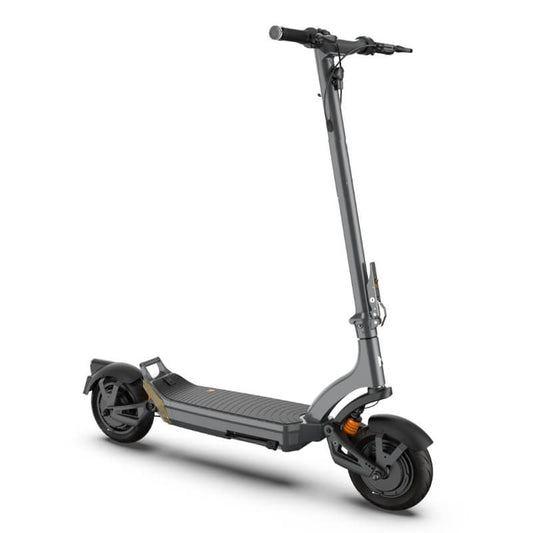
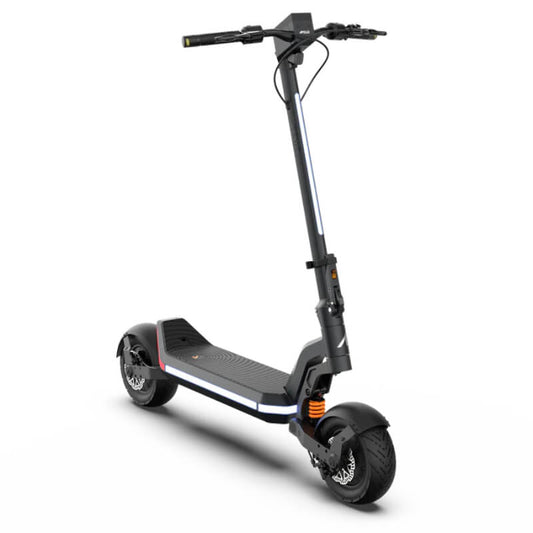
Many riders use “stand-up electric scooter” and “electric kick scooter” to describe the same general type of scooter: a scooter with handlebars, a deck you stand on, and electric motor assistance.
That term also matters because in some places, “electric kick scooter” is the legal or official wording. In BC, for example, electric kick scooters are described as battery-powered devices with two to four wheels, handlebars for steering, and a platform for standing.
A seated scooter is different in practical use. It may be a scooter designed with a seat from the beginning, or it may be a stand-up scooter with an added seat kit.
That difference matters because adding a seat can affect comfort, folding, balance, weight distribution, storage, and sometimes how the scooter is viewed under local rules. This article focuses on ride feel and practicality, not a full legal breakdown. For rules and safety basics, see ProMechBC’s guide to current electric scooter laws in Vancouver.
Can You Add a Seat to a Stand-Up Electric Scooter?

Yes, some stand-up electric scooters can accept a seat attachment or seat kit. These usually include a seat post, saddle, mounting hardware, and a base that connects to the scooter deck or frame.
But compatibility is everything.
A seat kit must match the scooter model, deck shape, mounting points, frame strength, and folding design. A universal-looking seat is not always a good fit. If the seat is poorly mounted, it can create flex, wobble, or stress on parts of the scooter that were not designed for seated riding.
Adding a seat can also affect portability. A scooter that used to fold neatly may become bulkier and harder to carry. The seat post may need to be removed before storage, which makes the scooter less convenient.
Before adding a seat, ask three questions:
- Is this seat kit designed for this scooter model?
- Will it affect folding, steering, or braking?
- Does it change how safe or legal the scooter is to ride where I live?
If the answer is unclear, it is better to ask a local repair shop before installing it.
Portability: Where Stand-Up Scooters Still Win
Portability is one of the biggest advantages of a stand-up electric scooter.
Most stand-up scooters are easier to fold, store, and move through tight spaces. They are usually more convenient for apartments, offices, car trunks, elevators, and mixed trips that involve walking or transit.
A seated scooter can still be portable, but the seat often makes the scooter more awkward. Even if the stem folds, the seat may stick out, add weight, or create another part that needs adjustment.
This matters for city riders. If you need to bring the scooter inside, carry it upstairs, or store it under a desk, the simpler stand-up setup usually makes more sense.
For general scooter selection, ProMechBC’s How to Choose an Electric Scooter guide can help compare portability, comfort, range, and real riding needs.
Stability, Braking, and Turning Feel Different When Seated

A seated scooter is not automatically more stable just because you are sitting.
At low speeds, sitting can feel relaxed. But during braking or turning, your fixed position can make the scooter feel different. You cannot shift your body as easily to help balance the scooter, absorb bumps, or prepare for sudden stops.
On a stand-up scooter, riders can bend their knees, lean slightly, and adjust their stance. That helps with road vibration and quick reactions.
On a seated scooter, more of the control depends on steering input, brake control, and how well the scooter was designed for seated riding. If the seat was added later, the handling may not feel as natural as a scooter designed from the start with a seat.
That does not mean seated scooters are bad. It means the ride experience is different and should be tested before assuming it will be better.
Maintenance and Repair Differences
A stand-up electric scooter usually has fewer comfort-related add-ons. A seated scooter, or a stand-up scooter with an added seat kit, adds more parts to inspect.
The seat post, mounting bolts, saddle, bracket, and deck connection can loosen over time. Vibration from city riding can make this worse. If the seat starts to wobble, it can affect confidence and safety.
A seat kit may also make certain repairs more annoying. It can block deck access, make folding harder, or add extra steps when servicing the scooter.
From a repair perspective, simpler is often better. A clean stand-up scooter design can be easier to diagnose, fold, move, and service.
If something feels loose, unstable, or noisy after adding a seat, it should be checked before riding. ProMechBC offers electric scooter repair in Vancouver for scooter inspections, maintenance, diagnostics, and repair support.
City Riding: Which Style Is More Practical?
For most city riders, a stand-up electric scooter is usually the more practical choice.
It is easier to fold, easier to store, easier to move indoors, and easier to handle in short stop-and-go trips. It also keeps the scooter closer to what most people mean by an electric kick scooter.
A seated scooter can make sense if comfort is your top priority and you ride longer, slower trips where portability matters less. It may also be better for riders who cannot comfortably stand for long periods.
But if your daily ride includes apartment storage, short errands, elevators, transit, bike lanes, and frequent stops, the stand-up format is usually simpler.
For broader urban riding advice, ProMechBC’s Urban Scooter Guide explains what matters most for road scooters, street scooters, and daily city riding.

When a Stand-Up Scooter Makes More Sense
A stand-up scooter makes more sense if you value portability, quick handling, easy storage, and a compact design.
It is usually the better fit for:
- commuting in bike lanes
- short city trips
- apartment living
- riders who need to fold and store the scooter
- combining scooter trips with transit
- quick errands
- riders who want more body control
- people who prefer a lighter, cleaner setup
A stand-up scooter is also a better match if you want the traditional electric kick scooter experience. You ride standing, shift your weight, and keep the scooter compact and simple.
When a Seated Scooter Makes More Sense
A seated scooter can make more sense if comfort matters more than portability.
It may be a better fit for:
- longer relaxed rides
- riders who get tired standing
- slower routes
- flat areas
- private property or controlled riding areas
- riders who prefer a more moped-like feel without necessarily choosing an e-moped
The key is to choose a scooter designed for the way you plan to ride. A scooter built from the start with a seat will usually feel more natural than a random seat kit installed on a scooter that was never designed for seated riding.
If you are comparing seated scooters, e-bikes, and e-scooters more broadly, ProMechBC’s Electric Bike vs Electric Scooter guide can help frame the bigger decision.
Final Thoughts
A stand-up electric scooter is usually the more practical choice for city riding. It is compact, easier to store, easier to fold, and gives the rider more body control.
A seated electric scooter can be more comfortable, but it changes the way the scooter handles. It can also make the scooter heavier, bulkier, and less convenient.
Adding a seat to a stand-up scooter is possible on some models, but it should not be treated as a simple upgrade for every scooter. Compatibility, safety, folding, balance, and local rules all matter.
For most Vancouver and BC riders looking for a true electric kick scooter experience, the stand-up format is still the cleaner and more practical choice. For riders who need extra comfort and do not care as much about portability, a seated setup may make sense.