How to Maintain an Electric Scooter: A Practical Guide for Everyday Riders
Electric scooters are easy to love when everything feels smooth: the throttle responds cleanly, the brakes bite confidently, the tires roll quietly, and the battery gives you the range you expected. But like any vehicle you rely on, an electric scooter needs regular care.
The good news is that electric scooter maintenance does not have to be complicated. Most of it comes down to paying attention, checking a few key parts, and fixing small problems before they turn into expensive repairs.
This guide covers the real-world maintenance habits that help keep your scooter safe, reliable, and enjoyable, especially if you ride often, commute daily, or live somewhere with rain, hills, rough pavement, or changing seasons.
At ProMechBC, we work with electric scooter riders every day, from casual weekend riders to daily commuters and performance scooter owners. Here is what we wish every rider knew about taking care of their electric scooter.

Why Electric Scooter Maintenance Matters
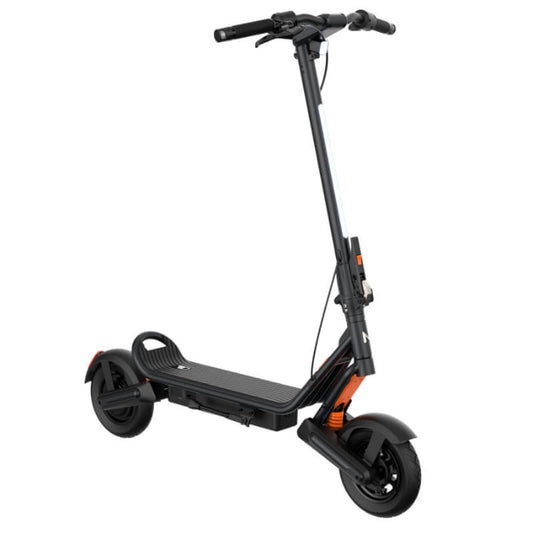
A scooter can feel simple from the outside, but it is a complete electric vehicle. It has mechanical parts, electrical components, braking systems, tires, bearings, folding hardware, suspension, lights, cables, a controller, and a lithium battery.
When one part is ignored, it often affects another.
A soft tire can reduce range and damage the tube or rim. Weak brakes can wear unevenly and make stopping unpredictable. Loose stem hardware can create wobble. Dirty charging ports can cause charging problems. A poorly stored battery can lose capacity faster than it should.
Regular maintenance helps you:
- Ride more safely
- Extend battery life
- Avoid preventable flats
- Improve braking performance
- Reduce strange noises and vibration
- Protect your motor and controller
- Save money on avoidable repairs
- Keep your scooter feeling solid and predictable
You do not need to become a technician. You just need a good routine.
Quick Electric Scooter Maintenance Checklist
If you only remember one section from this guide, make it this one.

Before every ride, check:
- Tire pressure
- Brake response
- Throttle response
- Lights and brake light
- Stem and handlebar tightness
- Battery level
- Any unusual noises or rubbing
Every week, check:
- Tire wear
- Brake pad wear
- Loose bolts
- Folding mechanism
- Suspension movement
- Charging port condition
- Cable condition
Every month, check:
- Brake adjustment
- Rotor alignment
- Tire condition in detail
- Stem play or wobble
- Wheel bearings
- Motor noise
- Battery range changes
- Firmware or display errors, if applicable
Every few months, consider a professional tune-up if you ride regularly. If your scooter already has weak braking, reduced range, strange sounds, wobble, or repeated flats, it is worth booking an inspection through our electric scooter repair service in Vancouver.
Start With Tires: Pressure, Wear, and Flats
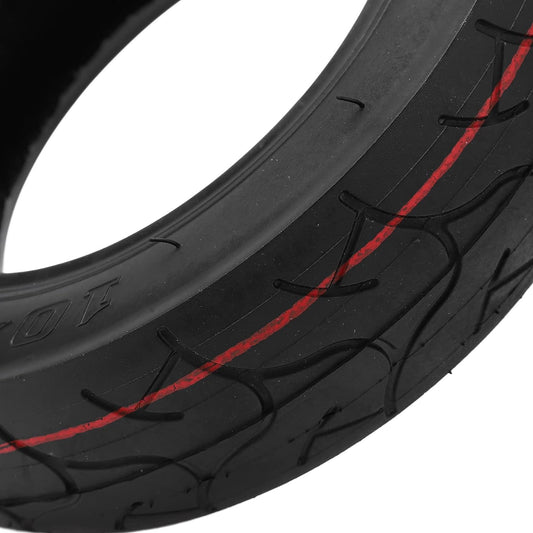
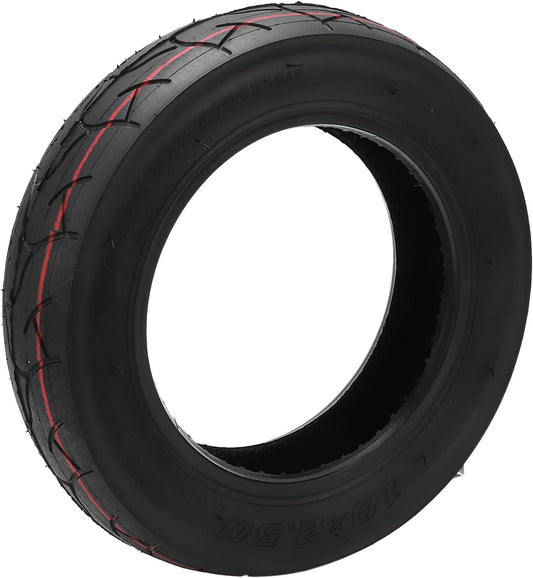
Tires are one of the most important parts of an electric scooter, and also one of the most neglected.
Many scooter problems start with tires that are underinflated, worn out, damaged, or mismatched for the rider’s weight and riding conditions.
Check Tire Pressure Regularly
If your scooter uses pneumatic tires, tire pressure matters a lot. Low pressure increases rolling resistance, reduces range, makes the scooter feel sluggish, and raises the chance of pinch flats.
A soft tire also forces the motor and battery to work harder. Over time, that can affect performance and efficiency.
Check your owner’s manual or the tire sidewall for the correct PSI range. Many riders make the mistake of squeezing the tire by hand and assuming it is fine. Scooter tires are small and can feel firm even when they are underinflated. Use a proper pressure gauge.
As a general habit, check pressure at least once a week if you ride often.
Inspect Tire Tread
Look for:
- Smooth or bald areas
- Uneven wear
- Cracks in the rubber
- Cuts or embedded glass
- Bulges
- Sidewall damage
If the tread is worn down, your scooter will have less grip, especially on wet pavement. Worn tires also make flats more likely.
Understand Why Flats Keep Happening
Repeated flats usually have a cause. It is not always “bad luck.”
Common reasons include:
- Low tire pressure
- Pinched tube during installation
- Sharp debris stuck inside the tire
- Worn tire casing
- Damaged rim tape
- Incorrect tube size
- Riding over potholes or curbs too aggressively
- Too much load for the tire setup
If you keep getting flats, do not just keep replacing tubes. Have the tire, rim, and installation checked properly. You can also browse replacement options through our electric scooter parts.
Brake Maintenance: Do Not Wait Until They Feel Bad
Brakes are not something to “deal with later.” If your scooter does not stop properly, it is not safe to ride.

Electric scooters may use disc brakes, drum brakes, electronic braking, regenerative braking, hydraulic brakes, or a combination of systems. Each type needs different maintenance, but the warning signs are similar.
Signs Your Brakes Need Attention
Watch for:
- Longer stopping distance
- Squealing or grinding
- Brake lever feels loose or too tight
- Brake lever touches the handlebar
- Scooter pulls to one side while braking
- Brake rotor rubbing
- Weak braking after rain
- Vibration during braking
- Brake pads look thin or uneven
A little brake noise can happen, especially after wet rides, but grinding, scraping, or a sudden loss of braking power should be checked right away.
Check Brake Pads
Disc brake pads wear down over time. If they get too thin, braking performance drops and the metal backing can damage the rotor.
If you ride in rain, down hills, or in stop-and-go traffic, brake pads may wear faster. Heavier scooters and higher-speed models also put more demand on brakes.
Keep Rotors Clean
Avoid touching brake rotors with greasy fingers. Oil, chain lubricant, silicone spray, or general-purpose cleaners can contaminate pads and rotors.
If your brakes suddenly become noisy or weak after cleaning the scooter, contamination may be the reason.
Adjust Mechanical Brakes
Cable-operated brakes can stretch over time. If the lever feels soft or pulls too close to the grip, the cable may need adjustment.
Do not overtighten the brake just to make it feel stronger. A poorly adjusted brake can rub constantly, overheat, reduce range, and wear parts faster.
If you are unsure, it is better to have the braking system adjusted professionally. Our team can inspect pads, rotors, cables, calipers, and hydraulic systems through ProMechBC’s scooter repair service.
Battery Care: How to Protect Range and Lifespan
Your battery is one of the most expensive parts of your electric scooter. Good battery habits can make a noticeable difference in long-term performance.
Most modern electric scooters use lithium-ion batteries. These batteries are powerful and efficient, but they do not like extreme heat, deep discharge, physical damage, water intrusion, or poor charging habits.

Use the Correct Charger
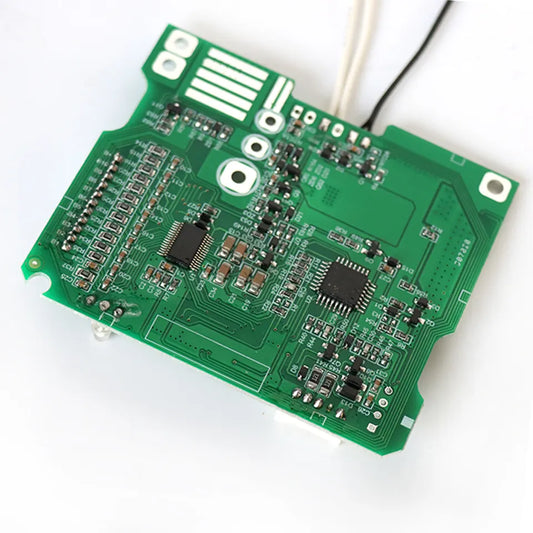
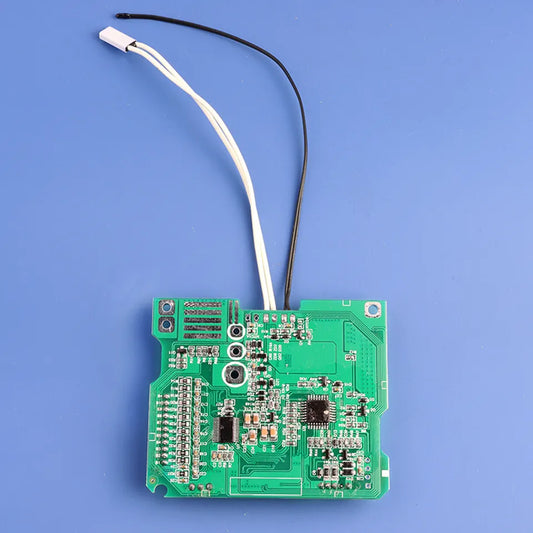
Always use the charger designed for your scooter or a verified compatible replacement. Voltage and connector type matter. Using the wrong charger can damage the battery, charging port, BMS, or controller.
If your charger gets extremely hot, smells strange, flickers, sparks, or charges inconsistently, stop using it and have it checked.
Avoid Fully Draining the Battery
Try not to run the battery down to 0% regularly. Deep discharges can stress lithium cells.
For everyday riding, it is healthier to recharge before the battery is completely empty. Many riders plug in when the battery is around 20–30%.
Do Not Store the Scooter Empty
If you are storing your scooter for more than a couple of weeks, do not leave the battery empty. A deeply discharged battery can become difficult or impossible to recover.
For storage, many manufacturers recommend leaving the battery around the middle of its charge range. Check your scooter’s manual for the exact recommendation.
Avoid Extreme Temperatures
Heat can age batteries faster. Cold weather can temporarily reduce range and power.
Do not leave your scooter in direct hot sun for long periods, inside a hot vehicle, or outside in freezing temperatures if you can avoid it.
If your scooter has been sitting in the cold, let the battery warm closer to room temperature before charging.
Watch for Battery Warning Signs
Battery problems can show up gradually. Pay attention to:
- Range suddenly drops
- Battery percentage jumps up or down
- Scooter shuts off under load
- Charger does not turn on
- Battery does not charge fully
- Charging port feels loose
- Burning smell
- Swelling, cracking, or heat from the battery area
- Error codes on display
If you notice any of these, stop riding and get the scooter inspected. Battery issues should be taken seriously.
For aging or underperforming batteries, replacement is not always the only option. ProMechBC offers battery refurbishing for electric scooters, depending on the condition and safety of the battery pack.
Charging Port and Cable Care
The charging port is small, but it is a common source of problems.
Keep it clean, dry, and covered when not in use. If the rubber cover is missing, replace it if possible. A charging port exposed to rain, dust, salt, or debris can corrode or short.

Charging Port Maintenance Tips
- Do not force the charger plug
- Make sure the connector is aligned correctly
- Keep the port dry
- Close the port cover after charging
- Do not charge immediately after riding in heavy rain
- Avoid charging if the port looks wet, dirty, burnt, or loose
If the plug wiggles excessively or charging cuts in and out, stop using it until it is inspected.
Keep Bolts, Stem, and Folding Mechanism Tight
A scooter can develop small vibrations from normal riding. Over time, bolts may loosen, especially around the stem, handlebars, folding latch, suspension, fenders, and brake hardware.
Loose hardware can make the scooter feel unstable. In some cases, it can become a serious safety issue.

Areas to Check Often
Inspect:
- Handlebar clamp
- Stem bolts
- Folding latch
- Brake caliper bolts
- Fender bolts
- Suspension bolts
- Wheel axle nuts
- Kickstand bolts
- Deck screws
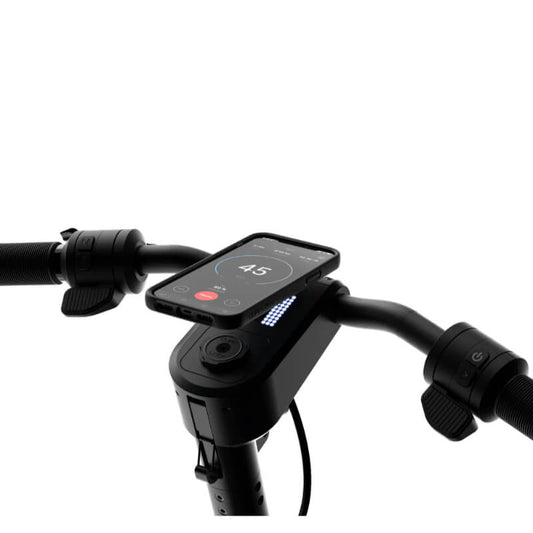
- Display/throttle mounts
Use the correct tool size. Stripping bolts is common when riders use the wrong Allen key or apply too much force.
For critical bolts, some scooters require specific torque values. If you are not sure, check the manual or have a technician inspect it.
Stem Wobble Is Not Normal
A little movement in the folding system may seem harmless, but stem wobble can get worse quickly. It can come from loose hardware, worn folding components, damaged bearings, or frame issues.
If your scooter feels unstable when braking, turning, or going over bumps, do not ignore it.
Clean Your Electric Scooter the Right Way
Keeping your scooter clean helps you notice damage early. Dirt can hide loose parts, cracks, leaks, worn tires, and cable damage.
But cleaning an electric scooter is not the same as washing a bicycle.

Never Pressure Wash an Electric Scooter
Do not use a pressure washer. High-pressure water can force moisture into bearings, displays, connectors, controllers, motors, and battery compartments.
Even if your scooter has a water resistance rating, that does not mean it is waterproof.
Safe Cleaning Method
Use:
- A damp microfiber cloth
- Soft brush for dry dirt
- Mild soap if needed
- Dry towel
- Small detailing brush for tight areas
Avoid spraying water directly at:
- Display
- Throttle
- Brake levers
- Charging port
- Battery area
- Deck seams
- Motor hub
- Controller area
- Cable connectors
After cleaning, dry the scooter well before storing or charging.
Water Resistance and Rain Riding

Many riders in Vancouver and the Pacific Northwest ride in damp conditions. That makes water awareness very important.
Some scooters handle light rain better than others, but no scooter should be treated like a waterproof vehicle unless the manufacturer clearly says so.
Understand IP Ratings
An IP rating tells you how resistant a device is to dust and water. For example, a scooter with better splash resistance may handle wet roads more confidently than one with little or no rating.
But IP ratings have limits. They usually do not cover pressure washing, deep puddles, submersion, long exposure, or water damage from wear and tear.

Avoid Deep Puddles
Riding through deep water can damage motors, bearings, controllers, brakes, and batteries.
If water reaches the deck, motor hub, or battery compartment, the risk goes up quickly.
After Riding in Rain
After a wet ride:
- Wipe the scooter dry.
- Pay attention to the charging port.
- Let it sit in a dry area.
- Do not charge immediately if you suspect water entered the scooter.
- Check brakes before the next ride.
If the scooter starts cutting out, showing errors, making new noises, or refusing to charge after rain exposure, have it inspected.
Suspension Maintenance
Not every scooter has suspension, but if yours does, it needs attention.
Suspension affects comfort, control, tire contact, and braking stability. Loose or worn suspension can make the scooter feel rough, noisy, or unpredictable.

Suspension Warning Signs
Look for:
- Clunking over bumps
- Excessive bouncing
- Leaking from hydraulic suspension
- Uneven ride height
- Side-to-side play
- Squeaking or grinding
- Scooter feels unstable at speed
Suspension bolts should be checked regularly, especially on heavier performance scooters.
Lights, Signals, Bell, and Reflectors
Visibility is part of maintenance. It is not just about seeing the road; it is about being seen by drivers, cyclists, and pedestrians.

Check:
- Headlight
- Tail light
- Brake light
- Turn signals, if equipped
- Side reflectors
- Bell or horn
- Display brightness
If you commute early in the morning, ride at night, or ride in rain, lighting matters even more.
A brake light that does not work can make riding in traffic more dangerous. Fix it quickly.
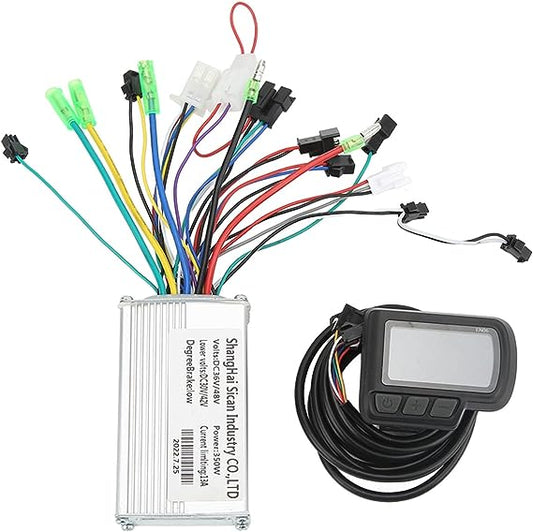
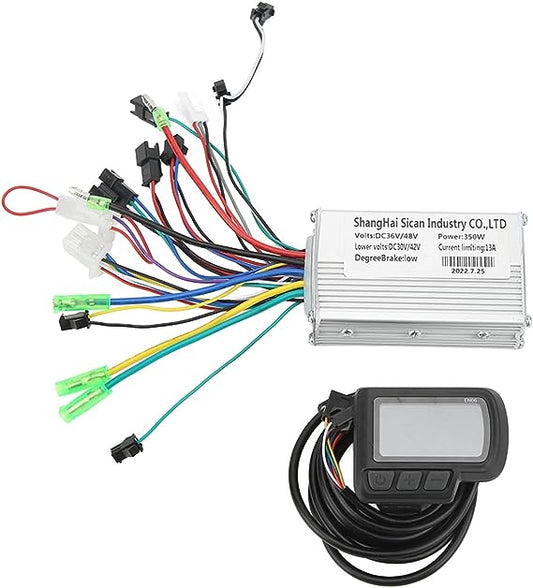
Motor and Controller Care
Electric scooter motors are usually low-maintenance, but they are not immune to problems.
Most scooters use hub motors. These motors are built into the wheel, which means tire condition, water exposure, axle tightness, and wiring all matter.

Signs of Motor or Controller Problems
Pay attention to:
- Jerky acceleration
- Motor cuts in and out
- Grinding or clicking from the motor
- Scooter loses power on hills
- Error codes
- Burning smell
- Wheel feels harder to spin
- Throttle delay
- Sudden shutdowns
Some of these symptoms may also come from battery, wiring, display, or brake sensor issues. That is why proper diagnostics matter.
Brake Sensors and Throttle Safety
Many scooters have brake sensors that cut motor power when you brake. This is an important safety feature.
If a brake sensor is misaligned or damaged, the scooter may refuse to accelerate, cut power randomly, or behave unpredictably.
Throttle problems can also create unsafe riding conditions. If the throttle sticks, delays, or responds unevenly, stop riding until the scooter is inspected.

Cables are easy to overlook, but they connect critical systems: brakes, throttle, display, lights, motor, battery, and controller.
Inspect visible wiring for:
- Fraying
- Pinching
- Loose connectors
- Cracked insulation
- Exposed copper
- Melted areas
- Water inside connectors
- Cable rub near folding points
The folding area is especially important. Repeated folding and unfolding can stress cables if they are routed poorly.
How to Store an Electric Scooter Properly
Storage habits can affect battery life, corrosion, tire condition, and electronics.

Best Storage Conditions
Store your scooter:
- Indoors when possible
- In a dry place
- Away from direct sunlight
- Away from freezing temperatures
- Away from heaters or hot rooms
- With the charging port cover closed
- With the battery at a healthy storage level
- Off the ground if storing long-term, when practical
Avoid leaving your scooter outside overnight, especially in rain or cold weather.
Long-Term Storage Checklist
If you will not ride for a month or longer:
- Clean and dry the scooter
- Charge battery to the recommended storage level
- Check tire pressure
- Avoid storing with flat tires
- Keep it away from moisture
- Check battery level periodically
- Do not leave it plugged in indefinitely unless the manufacturer says it is safe
Seasonal Maintenance Tips
Electric scooter maintenance changes with the season.
Spring
Spring is a good time for a full inspection, especially if the scooter sat unused during winter.
Check:
- Battery health
- Tire pressure
- Brake performance
- Rust or corrosion
- Loose bolts
- Charging port
- Lights
- Range
Summer
Heat can stress batteries and tires.
Avoid:
- Leaving the scooter in hot vehicles
- Charging in direct sun
- Riding with underinflated tires
- Storing the scooter in very hot spaces
Fall
Wet leaves, early darkness, and rain make traction and visibility more important.
Check:
- Tire tread
- Brake pads
- Lights
- Fender security
- Water resistance points
Winter
Cold weather reduces range and grip. If you ride in winter, go slower, brake earlier, and avoid ice.
Do not charge a very cold battery immediately after bringing it indoors. Let it warm up first.

Maintenance After a Crash or Hard Impact
Even a small crash can damage parts that are not obvious at first glance.
After a fall, curb hit, pothole impact, or collision, inspect:
- Stem alignment
- Handlebar position
- Brake levers
- Brake rotors
- Tires and rims
- Fork
- Suspension
- Motor cable
- Deck
- Folding mechanism
- Lights
- Throttle
- Display
If the scooter pulls to one side, vibrates, makes new noises, or feels unstable, do not keep riding it.
Common Electric Scooter Problems and What They Usually Mean
Here are some symptoms riders often notice and what they may point to.

Scooter Does Not Turn On
Possible causes include:
- Dead battery
- Faulty display
- Loose connector
- Blown fuse
- Battery management system issue
- Controller problem
- Water damage
Scooter Turns On But Does Not Move
Possible causes include:
- Brake sensor issue
- Throttle problem
- Motor cable issue
- Controller fault
- Battery voltage drop
- Error code lockout
Range Is Lower Than Before
Possible causes include:
- Aging battery
- Cold weather
- Low tire pressure
- Brake rubbing
- Heavier load
- Hills
- Aggressive acceleration
- Battery imbalance
- Controller issue
Brakes Feel Weak
Possible causes include:
- Worn pads
- Cable stretch
- Rotor contamination
- Hydraulic issue
- Misaligned caliper
- Damaged rotor
Scooter Makes a Clicking or Grinding Noise
Possible causes include:
- Loose bolts
- Bearing wear
- Brake rotor rub
- Motor issue
- Suspension play
- Fender rubbing
- Debris near wheel
Charger Light Stays Green
Possible causes include:
- Battery already full
- Charger fault
- Charging port issue
- Battery BMS protection
- Broken wire
- Internal battery problem
If you are not confident diagnosing the issue, it is safer to book a proper inspection rather than replacing random parts.
DIY Maintenance vs Professional Service
Some maintenance is easy to do at home. Other jobs are better left to experienced technicians.

Good DIY Tasks for Most Riders
You can usually handle:
- Tire pressure checks
- Basic cleaning
- Visual inspections
- Light tightening of non-critical bolts
- Checking lights
- Keeping the charging port dry
- Monitoring range
- Checking for obvious tire wear
Tasks That Often Need a Technician
Consider professional help for:
- Brake bleeding
- Motor diagnostics
- Controller replacement
- Battery repair or refurbishing
- Electrical faults
- Water damage inspection
- Repeated flats
- Stem wobble
- Suspension repair
- Wheel bearing replacement
- Wiring issues
- Error code diagnostics
- High-performance scooter tuning
Modern scooters are compact, and many parts are tightly integrated. A repair that looks simple can become expensive if the wrong part is installed or a cable is damaged during disassembly.
If your scooter needs parts, installation, diagnostics, or a tune-up, our Vancouver team can help through electric scooter repair and service.
How Often Should You Service an Electric Scooter?
There is no single schedule that fits every rider. It depends on how often you ride, your scooter model, your weight, terrain, weather, and riding style.
As a practical guide:
Light Riders
If you ride occasionally on smooth paths, do a basic check before each ride and a more complete inspection every few months.
Daily Commuters
If you ride several times a week, check tires and brakes weekly. A professional tune-up every few months is a good idea.
Performance Scooter Riders
If you ride a powerful scooter, ride fast, climb hills, or use dual motors, maintenance matters even more. Check hardware, brakes, tires, and suspension often.
Wet Weather Riders
If you ride in rain, inspect more frequently. Water exposure can speed up wear, corrosion, brake noise, and electrical problems.
What to Keep in a Basic Scooter Maintenance Kit
A small maintenance kit can save you time and stress.
Consider keeping:
- Tire pressure gauge
- Portable pump
- Correct Allen keys
- Clean microfiber cloths
- Flashlight
- Small brush
- Spare tube, if your scooter uses tubes
- Valve extender, if needed
- Basic gloves
- Owner’s manual
- Charger
- Portable tire sealant only if approved for your tire type
Do not use random lubricants or cleaners on brakes, tires, or electrical parts.
When It Is Time to Replace Parts
Maintenance is not only about adjusting parts. Sometimes parts are simply worn out.

Replace or inspect closely when:
- Tires are bald, cracked, or damaged
- Brake pads are thin
- Rotor is bent or deeply scored
- Battery range has dropped significantly
- Charger is damaged
- Cables are frayed
- Bearings feel rough
- Folding latch has play
- Suspension clunks
- Lights fail
- Kickstand is loose or cracked
Using worn parts for too long can damage other components.
You can check available replacement parts through our electric scooter parts , or contact us if you need help confirming compatibility.
Maintenance Tips for New Electric Scooter Owners
If you just bought your first scooter, build good habits from day one.

Read the Manual
It may not be exciting, but the manual tells you the correct tire pressure, charging guidance, folding instructions, and maintenance intervals.
Do a Pre-Ride Check
Before riding, check brakes, tires, lights, throttle, and stem tightness.
Learn Your Normal Range
Pay attention to how far your scooter usually goes on a full charge. That makes it easier to notice battery or mechanical changes later.
Avoid Riding Beyond Your Skill Level
Hard braking, curb jumping, fast cornering, and deep puddles can all create avoidable wear or damage.
Book a Check-Up Early If Something Feels Off
A strange sound or small wobble is easier to fix early than after weeks of riding.
If you are still shopping for the right model, you can compare options through our electric scooters collection.
Final Thoughts: A Well-Maintained Scooter Feels Better Every Day
Electric scooter maintenance is not about being overly cautious. It is about keeping your ride dependable.
A few minutes of checking tire pressure, listening for strange sounds, drying the scooter after rain, and watching battery performance can prevent many common problems. The more familiar you are with how your scooter normally feels, the faster you will notice when something changes.

If your scooter needs a tune-up, tire repair, brake adjustment, battery assessment, or electrical diagnosis, ProMechBC is here to help. Our Vancouver team works with riders every day and can help keep your scooter safe, smooth, and ready for the road.
Book an electric scooter service with ProMechBC or contact us if you are not sure what your scooter needs.