Comment augmenter l'autonomie d'une trottinette électrique ?

Il n’y a rien de plus énervant que de voir la batterie de votre trottinette électrique se vider plus vite que prévu, surtout quand vous avez encore des courses à faire, un trajet à terminer ou une côte à monter en rentrant chez vous.
La bonne nouvelle, c’est que l’autonomie d’une trottinette électrique ne dépend pas uniquement de la taille de la batterie. Oui, une batterie plus grosse aide généralement, mais vos habitudes de conduite, l’état des pneus, le terrain, la météo, l’entretien de la trottinette et la routine de charge jouent tous un rôle important dans la distance que votre trottinette peut parcourir avec une seule charge.
Si vous essayez d’augmenter l’autonomie de votre trottinette électrique, ce guide vous donnera des conseils pratiques et concrets qui feront réellement une différence.
Qu’est-ce qui affecte l’autonomie d’une trottinette électrique?
Avant d’essayer d’améliorer votre autonomie, il est utile de comprendre ce qui la réduit en premier lieu.
La plupart des estimations d’autonomie des trottinettes électriques sont testées dans des conditions idéales : routes plates et lisses, vitesse modérée, poids léger du conducteur, temps chaud, pression des pneus adéquate et souvent en mode éco. La réalité est différente. À Vancouver et dans d’autres villes canadiennes, les conducteurs doivent faire face aux collines, aux embouteillages, aux températures plus froides, aux chaussées rugueuses, aux routes mouillées et à la charge supplémentaire des sacs à dos ou des sacs de livraison.
Les facteurs les plus courants qui affectent l’autonomie d’une trottinette électrique incluent :
- Poids du conducteur et de la charge
- Vitesse de conduite
- Habitudes d’accélération
- Pression des pneus
- État de la batterie
- Température
- Collines et terrain
- Résistance au vent
- Frottement des freins
- Efficacité du moteur et du contrôleur
- Mode de conduite
- Entretien de la trottinette
Cela signifie que deux conducteurs peuvent utiliser exactement la même trottinette et obtenir des résultats d’autonomie très différents.
Si vous êtes encore en train de choisir une trottinette et que l’autonomie est l’une de vos principales priorités, il est intéressant de lire ce guide d’achat de trottinette électrique avant d’acheter.
Roulez en mode éco lorsque vous avez besoin d’une autonomie maximale
Le moyen le plus simple d’augmenter l’autonomie de votre trottinette électrique est d’utiliser le mode éco ou le mode de puissance le plus bas.
Le mode sport est amusant car la trottinette accélère plus fort et atteint des vitesses plus élevées, mais il consomme également plus d’énergie de la batterie. Le mode éco limite l’accélération et la vitesse maximale, ce qui réduit la demande de puissance et aide la batterie à durer plus longtemps.
Vous n’avez pas besoin de rouler en mode éco tout le temps. Mais si vous savez que votre batterie est faible, que votre trajet est long ou que vous avez beaucoup d’arrêts et de démarrages à venir, passer en mode éco peut faire une différence notable.

Meilleur moment pour utiliser le mode éco
Le mode éco est particulièrement utile lorsque :
- Vous faites de longs trajets
- Vous roulez sur des routes plates
- Votre batterie est en dessous de 50 %
- Vous roulez par temps froid
- Vous essayez d’éviter de charger pendant la journée
- Vous utilisez votre trottinette pour des livraisons
Une bonne habitude est d’utiliser le mode éco pour la conduite normale et de ne passer à un mode supérieur que lorsque vous avez besoin de puissance supplémentaire pour les collines ou les conditions de circulation.
Maintenez une vitesse modérée
La vitesse est l’un des plus grands ennemis de l’autonomie d’une trottinette électrique.
Rouler vite demande beaucoup plus d’énergie car le moteur doit lutter contre la résistance au vent, la résistance au roulement et une charge électrique plus élevée. La différence entre une conduite calme et une conduite agressive peut être énorme, même si votre itinéraire est le même.
Pour la plupart des trottinettes, rouler à une vitesse modérée et constante offre le meilleur équilibre entre le temps de trajet et l’efficacité de la batterie. Si vous roulez constamment à pleine vitesse, votre trottinette n’atteindra presque jamais son autonomie annoncée.
Une règle simple
Si vous voulez plus d’autonomie, roulez plus en douceur, pas plus fort.
Essayez d’éviter les démarrages à plein régime, les accélérations soudaines et la conduite constante à vitesse maximale. Une accélération douce et une conduite stable sont bien meilleures pour la durée de vie de la batterie et l’efficacité du moteur.
Accélérez en douceur au lieu de démarrer brusquement
Une accélération brusque vide rapidement la batterie car le moteur demande une grande quantité de courant en peu de temps. Cela est particulièrement vrai pour les trottinettes à double moteur et les modèles haute performance.
Chaque fois que vous démarrez agressivement à l’arrêt, le contrôleur envoie une forte surtension au moteur. Faites cela à plusieurs reprises dans le trafic urbain, et le pourcentage de votre batterie diminuera beaucoup plus rapidement que prévu.
Au lieu de cela, accélérez en douceur. Prenez de la vitesse progressivement. Une fois que vous êtes en mouvement, la trottinette a besoin de moins d’énergie pour maintenir son élan que pour démarrer à partir de zéro.
Cette petite habitude peut améliorer l’autonomie réelle et également réduire le stress sur la batterie, le contrôleur, le moteur, les pneus et la transmission.
Pour une compréhension plus approfondie du fonctionnement de ces pièces, consultez ce guide sur les bases de la batterie, du moteur et du contrôleur de trottinette électrique.
Vérifiez régulièrement la pression des pneus
Une faible pression des pneus est l’une des raisons les plus courantes pour lesquelles une trottinette électrique perd de l’autonomie.
Lorsque les pneus pneumatiques sont sous-gonflés, ils créent plus de résistance au roulement. Cela signifie que le moteur doit travailler plus fort pour faire avancer la trottinette. La conduite peut sembler plus douce, mais la batterie en paie le prix.
Les pneus sous-gonflés peuvent également augmenter le risque de crevaisons par pincement, d’usure inégale des pneus, de mauvaise maniabilité et de réduction des performances de freinage.

À quelle fréquence faut-il vérifier la pression des pneus?
Pour les conducteurs réguliers, vérifier la pression des pneus une fois par semaine est une bonne habitude. Si vous roulez tous les jours, transportez une cargaison lourde ou utilisez votre trottinette pour des livraisons, vérifiez-la encore plus souvent.
Suivez toujours la plage de pression des pneus imprimée sur le flanc de votre pneu ou indiquée dans le manuel de votre trottinette. Différentes tailles de pneus et modèles de trottinettes peuvent nécessiter différents niveaux de PSI.
Si vos pneus sont usés, endommagés ou perdent constamment de l’air, il est peut-être temps de les inspecter ou de remplacer la chambre à air. Vous pouvez trouver des options de remplacement dans la collection de pièces et accessoires pour trottinettes électriques.
Réduisez le poids supplémentaire lorsque c’est possible
Les trottinettes électriques consomment plus d’énergie lorsqu’elles transportent plus de poids. Cela inclut le poids du conducteur, les sacs à dos, les antivols, les paniers, les sacs de livraison, les outils, les courses et les accessoires.
Vous ne pouvez évidemment pas tout changer concernant la charge, mais vous pouvez éviter de transporter un poids inutile. Un sac à dos lourd ou un équipement supplémentaire ne semble peut-être pas beaucoup, mais sur un trajet plus long, cela peut réduire l’autonomie.
Si vous utilisez votre trottinette pour vos déplacements quotidiens, gardez votre configuration pratique. Transportez ce dont vous avez besoin, mais évitez de transformer la trottinette en un support de rangement sur roues.

Le poids compte plus dans les collines
Le poids supplémentaire devient encore plus perceptible lors de la montée des collines. Le moteur a besoin de plus de couple, la batterie se vide plus rapidement et la trottinette peut chauffer plus vite. Si votre itinéraire comprend des montées raides, réduire la charge inutile peut aider à préserver la batterie et à améliorer les performances.
Planifiez des itinéraires avec moins de collines
Les collines sont rudes pour l’autonomie des trottinettes électriques.
Monter une côte demande beaucoup plus de puissance que rouler sur un terrain plat. Si votre itinéraire comprend des collines longues ou raides, votre batterie se videra plus rapidement même si vous roulez à une vitesse raisonnable.
Lorsque cela est possible, choisissez un itinéraire avec une chaussée plus lisse, moins de montées raides et moins de panneaux stop. Un itinéraire légèrement plus long mais plus plat peut consommer moins de batterie qu’un itinéraire plus court rempli de collines et de démarrages difficiles.

C’est particulièrement utile dans les villes comme Vancouver, où les quartiers peuvent rapidement changer d’altitude. Si vous roulez régulièrement en ville, vous apprécierez peut-être aussi ce guide sur les meilleurs endroits pour faire de la trottinette électrique à Vancouver.
Évitez les arrêts et redémarrages fréquents lorsque vous le pouvez
Chaque arrêt coûte de l’énergie car la trottinette doit accélérer à nouveau.
La conduite en ville comprend naturellement des intersections, des piétons, des pistes cyclables, des feux de circulation et des panneaux stop. Vous ne pouvez pas tout éviter, mais vous pouvez rouler plus efficacement en anticipant et en maintenant votre élan lorsque c’est sûr.
Au lieu d’accélérer vers un feu rouge et de freiner brusquement, relâchez l’accélérateur plus tôt. Laissez la trottinette rouler en roue libre lorsque c’est possible. Une conduite souple aide à économiser de l’énergie et rend également la conduite plus sûre et plus confortable.
Utilisez le freinage régénératif à bon escient
Certaines trottinettes électriques sont dotées d’un freinage régénératif, qui renvoie une petite quantité d’énergie à la batterie lors du ralentissement. Cela peut aider légèrement, surtout en conduite avec des arrêts et des démarrages fréquents, mais il ne faut pas le considérer comme un amplificateur d’autonomie magique.
Le freinage régénératif est utile, mais la meilleure autonomie provient toujours d’abord d’éviter les freinages inutiles.
Une accélération brusque suivie d’un freinage brusque gaspille de l’énergie. Une accélération douce, une vitesse constante et une décélération anticipée sont meilleures pour l’autonomie.
Gardez vos freins correctement ajustés
Des freins qui frottent peuvent réduire silencieusement votre autonomie.
Si vos plaquettes de frein, disques, freins à tambour ou étriers frottent pendant que vous roulez, le moteur doit lutter contre cette résistance. Vous ne le remarquerez peut-être pas tout de suite, mais la trottinette semblera plus lente, la batterie se videra plus rapidement et les pièces s’useront plus tôt.
Les signes courants de frottement des freins incluent :
- Un bruit de frottement pendant la conduite
- La roue ne tourne pas librement lorsqu’elle est soulevée
- Accélération réduite
- Vitesse maximale inférieure
- Odeur de brûlé après un trajet
- Vidange plus rapide de la batterie que d’habitude
L’ajustement des freins ne concerne pas seulement l’autonomie. C’est aussi une question de sécurité. Si vos freins semblent faibles, bruyants, collants ou inégaux, prenez rendez-vous pour une inspection via le service de réparation de trottinettes électriques de ProMechBC à Vancouver.
Prenez soin de votre batterie
Votre batterie de trottinette électrique est le cœur de votre autonomie. Si la batterie est vieillissante, déséquilibrée, endommagée ou mal entretenue, votre trottinette ne parcourra pas autant de distance qu’avant.
Une batterie saine maintient mieux sa charge, fournit de l’énergie de manière plus constante et fonctionne plus fiablement sous charge.
Conseils d’entretien de la batterie pour une meilleure autonomie
Pour protéger la batterie de votre trottinette électrique :
- Évitez de la vider complètement à chaque trajet
- Ne stockez pas la trottinette avec une batterie vide
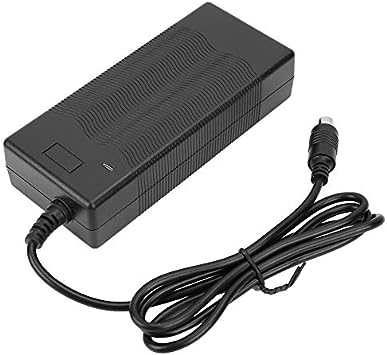
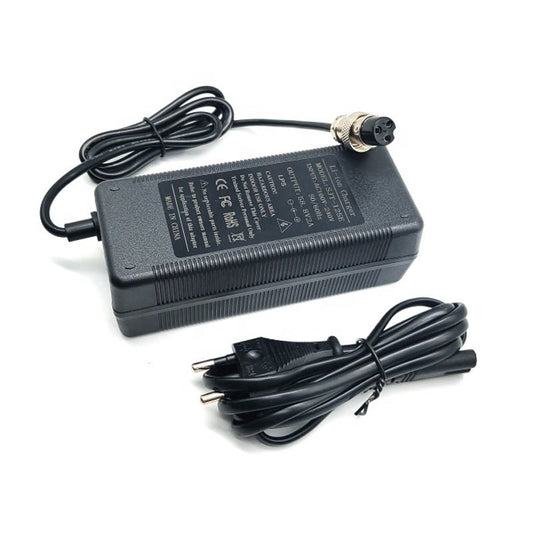
- Utilisez le bon chargeur
- Évitez de charger immédiatement après une conduite intense si la batterie est chaude
- Rangez la trottinette à l’intérieur, dans un endroit sec et à température modérée
- Ne la laissez pas geler pendant de longues périodes
- Évitez l’exposition à l’eau autour du port de charge et de la zone de la batterie
- Chargez avant les longs trajets au lieu de compter sur une batterie faible
Si l’autonomie de votre trottinette a chuté de façon spectaculaire, le problème n’est peut-être pas votre style de conduite. Il pourrait s’agir de l’âge de la batterie, d’un déséquilibre des cellules, de problèmes de BMS, de dégâts d’eau ou d’une usure interne du pack.

ProMechBC évalue et répare les batteries existantes de trottinettes et de vélos électriques lorsque cela convient, y compris le remplacement d’un BMS compatible si nécessaire. Nous ne remplaçons pas les cellules individuelles, ne fabriquons pas de batteries et ne reconstruisons pas de packs complets. Le diagnostic permet de comparer une réparation adaptée avec un remplacement compatible, sans garantir une récupération de capacité. Demandez une évaluation de batterie et confirmez la disponibilité avant de nous apporter une batterie.
Ne roulez pas constamment avec une batterie presque vide
La plupart des trottinettes électriques fonctionnent moins bien lorsque la batterie est très faible. Vous pouvez remarquer une accélération plus lente, une puissance réduite en côte, une chute de tension et des baisses de pourcentage plus rapides vers la fin de la charge.
Si vous roulez régulièrement jusqu’à ce que la batterie soit presque vide, vous risquez également de solliciter davantage la batterie au fil du temps.
Pour une utilisation quotidienne, essayez de maintenir une marge de batterie confortable. Si votre trajet consomme 70 à 90 % de votre batterie chaque jour, votre trottinette est peut-être trop petite pour votre itinéraire, ou la batterie vieillit.
Une trottinette avec une plus grande autonomie réelle vous offre une marge de manœuvre, surtout par temps froid ou lors de la montée de collines. Vous pouvez comparer les options actuelles dans la collection de trottinettes électriques de ProMechBC.
Rangez votre trottinette correctement par temps froid
Le temps froid peut réduire l’autonomie des trottinettes électriques car les batteries au lithium ne fonctionnent pas aussi efficacement à basse température. Au Canada, cela compte beaucoup.
Si votre trottinette est stockée dans un garage froid, sur un balcon, dans un coffre de voiture ou à l’extérieur, la batterie peut sembler plus faible lorsque vous commencez à rouler. Vous pourriez constater une chute de tension plus rapide, une accélération réduite et une autonomie plus courte.
Dans la mesure du possible, rangez votre trottinette à l’intérieur à une température modérée. Si vous devez la stocker dans un endroit froid, laissez la batterie se réchauffer avant de rouler ou de charger.

Note importante sur la charge
Évitez de charger une batterie gelée ou extrêmement froide. Laissez-la d’abord revenir à une température proche de la pièce. Charger des batteries au lithium dans des conditions de gel peut être dangereux et endommager la batterie.
Gardez la trottinette propre et sèche
La saleté, la crasse de la route, l’eau et la corrosion peuvent toutes réduire l’efficacité de la trottinette au fil du temps.
Une trottinette sale peut développer un frottement des freins, une résistance des roulements, des pièces mobiles collantes, de mauvaises connexions électriques ou des problèmes liés à l’eau. Ces problèmes peuvent réduire l’autonomie et entraîner des réparations plus importantes par la suite.
Après les trajets humides, essuyez la trottinette et laissez-la sécher correctement. Faites attention au plateau, au port de charge, à la zone des freins, aux moyeux des roues, aux articulations de la suspension et aux points d’entrée des câbles.

Si vous roulez souvent sous la pluie à Vancouver, l’imperméabilisation et l’inspection sont encore plus importantes. Lisez ce guide sur l’étanchéité des trottinettes électriques et les conseils de conduite sous la pluie pour réduire le risque de dégâts liés à l’eau.
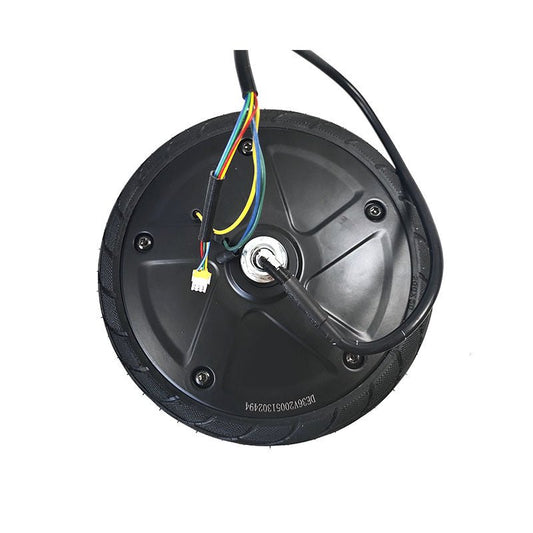
Vérifiez les roulements de roue et la résistance du moteur
Vos roues doivent tourner librement. Si une roue semble raide, bruyante, granuleuse ou inégale, la trottinette pourrait gaspiller de l’énergie à chaque fois que vous roulez.
Les problèmes de roulements de roue, la résistance du moteur, les problèmes d’axe ou le frottement des freins peuvent tous réduire l’autonomie. Parfois, la trottinette fonctionne toujours, mais le moteur a besoin de puissance supplémentaire pour surmonter la résistance mécanique.
Un test rapide consiste à soulever la trottinette et à faire tourner chaque roue à la main. Si une roue s’arrête rapidement, fait du bruit ou semble rugueuse, quelque chose pourrait nécessiter un ajustement ou une réparation.
Entretenez le moteur et le contrôleur
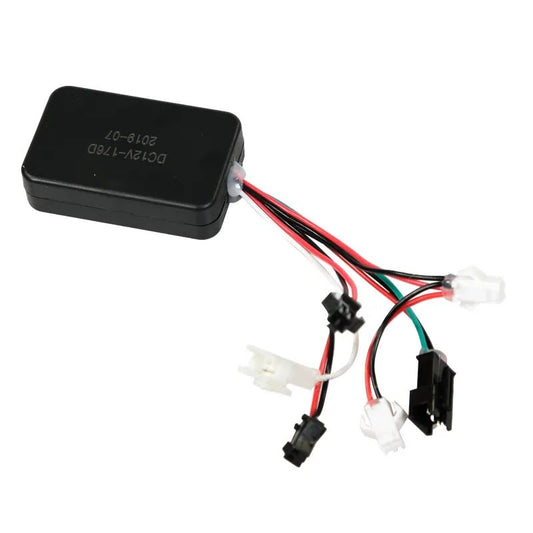
Le moteur et le contrôleur déterminent l’efficacité avec laquelle votre trottinette convertit l’énergie de la batterie en mouvement. Si l’une ou l’autre pièce surchauffe, est endommagée, mal connectée ou travaille plus que nécessaire, l’autonomie peut en souffrir.

Les signes avant-coureurs incluent :
- Perte soudaine de puissance
- Accélération saccadée
- Codes d’erreur
- Odeur de brûlé
- Surchauffe du moteur
- Surchauffe du contrôleur
- Bruit inhabituel provenant du moteur
- Autonomie en baisse sans raison apparente
Les problèmes électriques doivent être traités avec prudence. Les tentatives de réparation DIY peuvent aggraver le problème, surtout en ce qui concerne les batteries, les contrôleurs, le câblage et les connecteurs.
Si votre trottinette perd de l’autonomie et présente également des symptômes électriques, il est temps d’obtenir un diagnostic professionnel par le biais des services de réparation de trottinettes électriques.
Évitez les accessoires inutiles qui vident la batterie
Certains accessoires utilisent l’énergie de la batterie de la trottinette. Les lumières, les alarmes, les chargeurs de téléphone, les modules Bluetooth, les bandes LED supplémentaires, les poignées chauffantes et les appareils électroniques supplémentaires peuvent tous contribuer à vider la batterie.
L’effet peut être faible par rapport au moteur, mais si vous essayez de maximiser l’autonomie, chaque détail compte.
Utilisez les accessoires de sécurité essentiels comme les lumières, les réflecteurs et une sonnette, mais évitez les accessoires inutiles qui consomment beaucoup d’énergie si l’autonomie est votre priorité.
Utilisez les pneus adaptés à votre style de conduite
Les pneus affectent le confort, la traction, la résistance aux crevaisons et l’autonomie.
Les pneus souples, agressifs et tout-terrain créent généralement plus de résistance au roulement que les pneus de route plus lisses. Ils sont excellents pour les terrains accidentés, mais ils peuvent réduire l’efficacité sur le bitume.
Si la plupart de vos trajets se font sur des rues de ville, des pistes cyclables et des chemins pavés, des pneus de route de bonne qualité avec une pression adéquate peuvent aider à améliorer l’autonomie. Si vous roulez sur des sentiers, du gravier ou des surfaces rugueuses, vous pouvez accepter un peu moins d’autonomie en échange d’une meilleure adhérence et stabilité.

Le meilleur pneu est celui qui correspond à vos conditions de conduite, pas seulement celui qui semble le plus robuste.
Ne négligez pas les réglages du logiciel et de l'affichage
Certains scooters vous permettent d'ajuster la force d'accélération, le niveau de freinage régénératif, les limites de vitesse, le régulateur de vitesse et les paramètres de puissance du moteur via l'écran ou l'application.
Si votre trottinette a des réglages ajustables, vous pourriez améliorer l'autonomie en réduisant la force d'accélération ou en limitant la vitesse maximale. Assurez-vous simplement de comprendre ce que chaque réglage fait avant de le modifier.
Si vous n'êtes pas sûr, demandez à un technicien ou consultez le manuel de votre trottinette. Des réglages incorrects peuvent rendre la trottinette faible, dangereuse ou imprévisible.
Mettez à niveau uniquement lorsque cela a du sens
Certains conducteurs tentent d'augmenter l'autonomie de leur trottinette électrique en améliorant la batterie, le contrôleur ou le moteur. Cela peut fonctionner dans certains cas, mais ce n'est pas toujours simple ou sûr.
Les mises à niveau de batterie doivent correspondre à la tension de la trottinette, aux limites du contrôleur, à l'espace physique, aux exigences du BMS, au système de charge et au câblage. Une batterie mal assortie peut entraîner une surchauffe, une panne électrique ou des risques de sécurité.
Avant de procéder à une mise à niveau, demandez-vous :
- Le cadre de la trottinette est-il conçu pour une batterie plus grande ?
- Le contrôleur est-il compatible ?
- Le chargeur est-il compatible ?
- Le câblage supportera-t-il la charge ?
- La batterie provient-elle d'une source sûre et fiable ?
- La mise à niveau affectera-t-elle la garantie ou la sécurité ?
Dans de nombreux cas, il est plus judicieux de réparer le problème actuel, de remplacer les pièces usées ou de choisir une trottinette conçue dès le départ pour une plus longue autonomie.
Si vous comparez des modèles, commencez par les trottinettes électriques à Vancouver de ProMechBC et examinez les besoins réels au lieu de vous fier uniquement à l'autonomie annoncée.
Comment augmenter l'autonomie d'une trottinette électrique : liste de contrôle rapide
Si vous souhaitez la plus rapide amélioration pratique de l'autonomie, commencez ici :
- Utilisez le mode éco pour les trajets plus longs.
- Roulez à une vitesse modérée.
- Accélérez en douceur.
- Maintenez la bonne pression des pneus.
- Réduisez le poids inutile.
- Évitez les routes escarpées si possible.
- Laissez-vous porter au lieu de freiner brusquement.
- Vérifiez le frottement des freins.
- Maintenez la batterie en bon état.
- Rangez la trottinette à l'intérieur par temps froid.
- Gardez la trottinette propre et sèche.
- Inspectez les roues, les roulements, le moteur et le câblage.
- Faites entretenir la trottinette si l'autonomie chute soudainement.

Les petits changements s'additionnent. Vous ne doublerez peut-être pas votre autonomie du jour au lendemain, mais vous pouvez souvent retrouver l'efficacité perdue et rendre votre trottinette plus prévisible.
Quand une perte d'autonomie signifie que votre trottinette a besoin d'entretien
Des changements normaux d'autonomie sont attendus. Le temps froid, les collines, les charges lourdes et la conduite rapide réduiront tous l'autonomie. Mais une perte d'autonomie soudaine ou sévère est différente.
Vous devriez envisager une inspection professionnelle si :
- Votre autonomie a chuté soudainement
- Le pourcentage de batterie diminue très rapidement
- La trottinette s'éteint sous charge
- La trottinette peine sur des collines qu'elle franchissait auparavant facilement
- La batterie ne se charge pas complètement
- Le chargeur chauffe anormalement
- Le moteur ou le contrôleur surchauffe
- Vous entendez des bruits de frottement, de grincement ou de cliquetis
- La trottinette a été exposée à de fortes pluies ou à de l'eau
- Vous sentez une odeur de brûlé ou voyez des connecteurs fondus
Ces symptômes peuvent indiquer des problèmes de batterie, un frottement des freins, des problèmes de câblage, des défauts du contrôleur, des problèmes de moteur ou des dégâts d'eau.
Si vous êtes à Vancouver, ProMechBC peut vous aider avec les diagnostics, les vérifications de batterie, l'entretien des pneus, les réglages de freins, les réparations électriques et l'entretien général des trottinettes. Vous pouvez prendre rendez-vous via la page de réparation des trottinettes électriques ou contacter le magasin pour obtenir de l'aide afin de choisir le bon service.
Dernières réflexions
Augmenter l'autonomie d'une trottinette électrique est avant tout une question d'efficacité.
Vous n'avez pas toujours besoin d'une nouvelle trottinette ou d'une batterie plus grosse. Dans de nombreux cas, une meilleure pression des pneus, une conduite plus douce, de bonnes habitudes de charge, un réglage des freins et un entretien régulier peuvent rendre votre trottinette beaucoup plus fiable.
Considérez l'autonomie comme un partenariat entre la trottinette et le conducteur. La batterie fournit l'énergie, mais vos habitudes déterminent l'efficacité avec laquelle cette énergie est utilisée.
Si votre trottinette allait plus loin et qu'elle semble maintenant faible, ne l'ignorez pas. Une simple inspection peut révéler un pneu sous-gonflé, un frein qui traîne, un roulement usé, une batterie fatiguée ou un problème électrique qui peut être résolu avant qu'il ne devienne plus coûteux.

Pour une aide locale, des pièces, des diagnostics ou un service, visitez le service de réparation de trottinettes électriques de ProMechBC à Vancouver ou explorez les dernières trottinettes électriques disponibles en magasin.
Charge et stockage : consignes de sécurité
Suivez les consignes de charge et de stockage propres à votre trottinette, à sa batterie et à son chargeur. Utilisez le chargeur d’origine ou un remplacement approuvé par le fabricant pour ce modèle. Surveillez la charge, loin des sorties et des matériaux combustibles, puis débranchez le chargeur à la fin. Ne chargez pas une batterie mouillée, endommagée, gonflée ou anormalement chaude, ni hors de la plage de température autorisée. Un délai fixe ne garantit pas une température adéquate.
Pour un stockage prolongé, suivez les consignes de votre modèle. Les conseils de Santé Canada sur les batteries lithium-ion recommandent environ 50 % de charge et une vérification tous les trois mois. Ne laissez pas la batterie profondément déchargée et ne prolongez pas la charge pour tenter d’équilibrer les cellules, sauf indication explicite du fabricant.