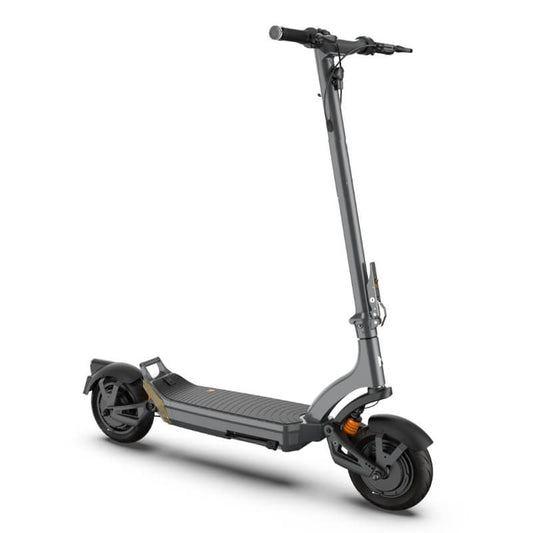
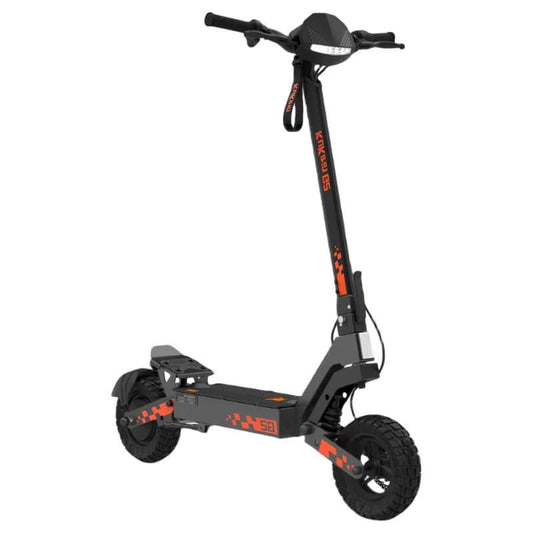
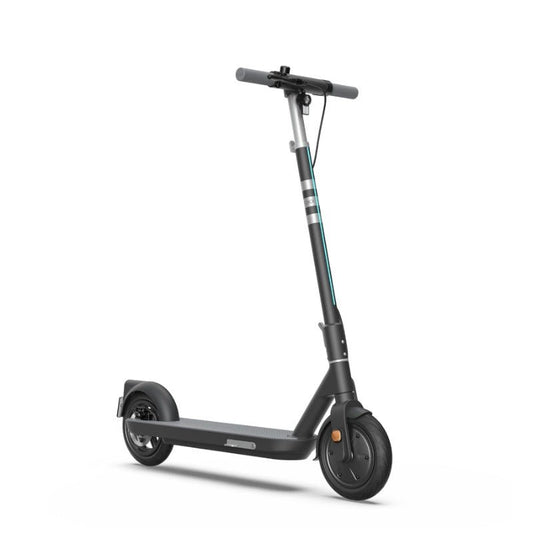
Electric scooters are legal in Vancouver, but riders must follow specific BC and City of Vancouver rules. In most cases, that means riding in approved areas, wearing a helmet, staying off sidewalks, following the 25 km/h speed limit, and making sure your e-scooter is safe to ride.
This guide explains the current electric scooter laws in Vancouver, BC e-scooter rules, where you can ride, what is not allowed, and how to stay safer on rainy streets, bike routes, shared paths, and daily commutes.
Last reviewed: May 2026
Important note: Rules can change. Always check the official City of Vancouver e-scooter rules and BC electric kick scooter pilot project rules before riding.
Are Electric Scooters Legal in Vancouver?
Yes. Electric scooters are legal in Vancouver when they meet BC’s electric kick scooter requirements and are used according to Vancouver’s local rules.
Vancouver participates in BC’s electric kick scooter pilot project. That means eligible e-scooters can be used in approved public areas, but riders must follow provincial rules, local city rules, traffic signs, and posted restrictions.
The most important rule for riders is simple: e-scooters are not toys, and they are not treated the same as walking. They belong on approved streets, bikeways, greenways, bike lanes, and shared paths where permitted — not on sidewalks.
Before relying on your scooter for daily commuting, make sure it is mechanically safe. If the brakes, tires, lights, battery, or steering feel unreliable, ProMechBC offers electric scooter repair in Vancouver for diagnostics, brake work, tire service, tune-ups, and electrical repairs.
Vancouver E-Scooter Rules at a Glance
Here are the main e-scooter rules in Vancouver riders should know:
| Rule | What it means for riders |
|---|---|
| Legal status | Electric scooters are allowed in Vancouver under BC’s pilot rules and local city rules. |
| Minimum age | Riders must be at least 16 years old. |
| Helmet | A helmet is required. |
| Speed limit | The maximum e-scooter speed is 25 km/h. |
| Sidewalks | Do not ride on sidewalks. Walk your scooter on sidewalks. |
| Crosswalks | Do not ride through crosswalks unless signs specifically allow it. |
| Passengers | One rider per device. Do not carry passengers. |
| Phone use | Do not use your phone or another device while riding. |
| Alcohol | Do not drink and scoot. |
| Lights | Use lights between sunset and sunrise. |
| Brakes and bell | Your scooter should have working brakes and a bell or horn. |
| Licence and insurance | A driver’s licence and insurance are not required for an eligible e-scooter under BC rules. |
These rules are not only about avoiding tickets. They also help reduce crashes, falls, pedestrian conflicts, and damage to your scooter.
Where Can You Ride an E-Scooter in Vancouver?
According to the City of Vancouver, e-scooters can be used on:
- City streets, using the roadway rather than sidewalks
- Greenways
- Bikeways
- Bike lanes
- The Seawall and park paths where bikes are allowed
Even when e-scooters are allowed, riders should use common sense. Use bike lanes and cycle routes whenever possible, slow down around people walking, and follow all posted signs. On shared paths, your safest speed may be much lower than the maximum legal speed.
If you ride often on rough roads, wet streets, or longer commuter routes, regular maintenance becomes more important. A loose stem, worn tire, or weak brake can make a legal ride unsafe. For service issues, visit ProMechBC’s electric scooter repair in Vancouver page.

What Is Not Allowed on an E-Scooter?
In Vancouver, e-scooter riders should avoid the most common rule violations:
- Riding on sidewalks
- Exceeding 25 km/h
- Carrying another passenger
- Riding while distracted
- Using a phone while riding
- Riding under the influence of alcohol or drugs
- Passing too closely around pedestrians
- Riding without a helmet
- Riding with weak brakes, broken lights, or unsafe tires
Why sidewalk riding is a common problem
Many new riders assume sidewalks are safer than roads, but Vancouver rules do not allow e-scooters to be ridden on sidewalks. Sidewalk riding creates risk for pedestrians, especially near storefronts, driveways, bus stops, and intersections.
When you need to use a sidewalk, walk your e-scooter instead of riding it.
BC Electric Scooter Laws: What Riders Should Know
BC’s electric scooter laws apply through the electric kick scooter pilot project. Under the pilot, e-scooters can be used in participating communities such as Vancouver, but local governments can set additional rules for where and how scooters may be used.
To be considered an eligible electric kick scooter in BC, the device must generally meet requirements such as:
- A standing platform
- Handlebars for steering
- No seat or enclosed structure
- Electric motor power within the allowed limit
- Maximum speed capability of 25 km/h
- Weight within the allowed limit
- Working brakes
- A bell or horn
- Required lights for riding between sunset and sunrise
This matters when buying or modifying a scooter. A device that looks like an e-scooter but does not meet BC’s requirements may not be legal for public road use. High-powered, modified, seated, or unusually heavy devices may fall outside the normal e-scooter category.
For riders comparing models, ProMechBC also offers electric scooters, parts, and service support through its local Vancouver shop. If you are unsure whether a scooter is practical for local streets, wet weather, or daily commuting, start with the electric scooter repair in Vancouver team before making expensive upgrades.
E-Scooter Safety Tips for Vancouver Riders
E-scooter safety in Vancouver depends on more than wearing a helmet. Wet roads, low visibility, hills, traffic, pedestrians, potholes, and short stopping distances all affect your ride.
Use these everyday safety habits:
- Wear a properly fitted helmet every ride.
- Keep both hands ready for braking and steering.
- Ride predictably and signal before turning.
- Slow down before intersections, driveways, and busy shared paths.
- Leave extra room around parked cars because doors can open suddenly.
- Use your bell when passing people.
- Avoid sudden braking on painted lines, metal covers, leaves, and wet surfaces.
- Do not assume drivers can see you, especially at night or in rain.
- Check your brakes, tires, lights, and stem before longer rides.
Most e-scooter accidents are not caused by one dramatic mistake. They often happen when several small risks stack up: too much speed, wet pavement, weak brakes, poor visibility, and a rider reacting too late.
Quick pre-ride safety checklist
Before riding, check:
- Brakes: Do they stop the scooter smoothly?
- Tires: Are they properly inflated and free of damage?
- Lights: Do the front and rear lights work?
- Stem and handlebars: Is anything loose?
- Battery: Is the charge level normal for your route?
- Bell or horn: Can you warn others when passing?
If any of these basics feel wrong, avoid riding in traffic until the issue is fixed.
Rain Riding and Night Riding in Vancouver
Vancouver rain changes how an e-scooter feels. Stopping distance increases, traction drops, and drivers may have a harder time seeing you. Night riding adds another risk because other road users may misjudge your speed or position.
Before riding in rain or darkness:
- Turn on front and rear lights.
- Wear brighter or reflective outer layers.
- Slow down earlier than usual.
- Avoid sudden turns or hard braking.
- Watch for puddles, leaves, painted road markings, steel plates, and utility covers.
- Give yourself more space near cars, buses, and pedestrians.
- Dry and inspect your scooter after wet rides.
For more detailed wet-weather advice, read ProMechBC’s waterproofing and wet-weather riding guide. That guide explains how rain, puddles, traction loss, and maintenance affect electric scooter performance in Vancouver.
When rain becomes a repair issue
Wet weather is not only a riding challenge. It can also expose mechanical or electrical problems.
Book service if you notice:
- Flickering lights
- Weak brakes after rain
- Unusual vibration
- Charging problems
- Sudden range loss
- Error codes
- Throttle delay
- Water inside display or battery areas
For electrical symptoms, battery concerns, or post-rain inspection, ProMechBC provides battery diagnostics for e-scooters and e-bikes through its battery refurbishing and diagnostic services.
E-Bike Rules vs E-Scooter Rules in BC
E-bikes and e-scooters are both popular in Vancouver, but they do not follow exactly the same rules.
In BC, e-bike riders generally follow cycling rules and must wear a bicycle safety helmet. BC also separates e-bikes into categories such as light e-bikes and standard e-bikes, with different minimum ages and motor-assisted speed limits.
The key difference is that e-scooters are covered by BC’s electric kick scooter pilot rules, while e-bikes are regulated as motor assisted cycles. That is why riders should not assume that e-bike rules and e-scooter rules are identical.
For practical riding, both e-bike and e-scooter riders should follow traffic signs, avoid sidewalks unless specifically allowed, ride predictably, and keep the vehicle maintained.
If your e-bike needs safety-related maintenance, ProMechBC offers e-bike repair in Vancouver, including standard service, brake work, tire service, drivetrain adjustments, and diagnostics.

Maintenance Is a Safety Issue Too
A scooter or e-bike is only as safe as its current condition. Brakes, tires, lights, folding mechanisms, steering parts, throttle response, wiring, and battery health all affect safety.
Before regular commuting, check:
- Tire pressure and tire wear
- Brake strength and brake noise
- Front and rear lights
- Bell or horn
- Loose stem, handlebar, or folding parts
- Unusual vibration
- Cracked fenders or damaged deck parts
- Battery range that suddenly drops
- Charging behaviour that changes
- Error codes or sudden power cut-outs
Do not ignore small changes. A brake that feels slightly weaker, a tire that loses air, or a stem that feels loose can become a serious safety problem on wet streets or downhill routes.
Brake and tire problems riders should not ignore
Brakes and tires are two of the most important safety systems on an e-scooter.
You may need electric scooter brake repair if:
- Your scooter takes longer to stop
- The brake lever feels loose
- You hear grinding, scraping, or squealing
- The scooter pulls to one side when braking
- The brake pads look worn
- The brake response changes after rain
You may need e-scooter tire repair if:
- The tire keeps losing air
- You see cracks, cuts, or bald spots
- The scooter feels unstable
- You notice vibration at speed
- You have a puncture or flat tire
- The tire slips more easily in wet conditions
For replacement parts, tubes, tires, brake pads, or other components, ProMechBC also carries electric scooter and e-bike parts.
Theft Prevention and Parking Tips
Theft prevention is part of practical e-scooter and e-bike ownership in Vancouver. A safe ride also means having your vehicle available when you come back.
To reduce theft risk:
- Use a strong lock suitable for your scooter or e-bike.
- Lock to a secure fixed object.
- Park in visible, busy areas.
- Avoid leaving the vehicle outside overnight.
- Remove accessories that can be taken quickly.
- Record your serial number and purchase details.
- Take photos of your scooter or e-bike for identification.
- Consider whether your home, tenant, or bike insurance offers theft coverage.
For shared e-scooters, follow the operator’s parking rules and end trips only in approved parking areas.
Parking safety matters too
Poor parking can create problems for pedestrians, wheelchair users, storefronts, and other riders. Whether you own your scooter or use a shared one, avoid blocking sidewalks, curb ramps, doorways, bike lanes, and building entrances.
When to Book E-Scooter or E-Bike Repair
Book a professional inspection if your scooter or e-bike feels unsafe, especially before using it in traffic or rainy conditions.
You should arrange service if:
- The brakes feel weak, noisy, or inconsistent.
- The scooter shakes or vibrates at speed.
- The stem or handlebar feels loose.
- The tire keeps losing air.
- The lights stop working.
- The battery range drops suddenly.
- The scooter shuts off while riding.
- The throttle or motor response feels delayed.
- The charger, port, or battery gets unusually hot.
- The scooter was exposed to heavy rain or water and now behaves differently.
For scooter issues, book electric scooter repair in Vancouver. For bike issues, book e-bike repair in Vancouver. For range loss, charging problems, or battery concerns, visit ProMechBC’s battery diagnostics for e-scooters and e-bikes service page.
Frequently Asked Questions
Are Electric Scooters Legal in Vancouver?
Yes. Electric scooters are legal in Vancouver when they meet BC electric kick scooter requirements and are used according to City of Vancouver rules.
What are the main electric scooter laws in Vancouver?
The main electric scooter laws in Vancouver include a minimum rider age of 16, required helmet use, a 25 km/h maximum speed, no sidewalk riding, no passengers, and riding only where e-scooters are allowed.
Can I ride an e-scooter on the sidewalk in Vancouver?
No. Vancouver does not allow e-scooters to be ridden on sidewalks. Riders should walk their scooter when using a sidewalk.
Where can e-scooters be ridden in Vancouver?
E-scooters can be used on city streets using the roadway, greenways, bikeways, bike lanes, and the Seawall or park paths where bikes are allowed.
Do I need a licence to ride an electric scooter in Vancouver?
No driver’s licence is required for an eligible electric kick scooter under BC’s current pilot rules.
Do I need insurance for an e-scooter in BC?
BC’s electric kick scooter rules say insurance is not required for eligible e-scooters under the pilot. Riders should still check whether personal insurance covers theft or damage.
What is the maximum speed for e-scooters in Vancouver?
The maximum speed is 25 km/h, but riders should slow down on shared paths, in rain, near pedestrians, and in crowded areas.
Are e-scooters safe?
E-scooters can be safe when riders follow the rules, wear helmets, ride predictably, slow down in poor conditions, and keep brakes, tires, lights, and steering parts maintained.
Are BC electric scooter laws the same in every city?
No. BC’s pilot allows e-scooters in participating communities, but municipalities can set local rules. Always check the rules for the city where you plan to ride.
Are e-bike and e-scooter rules the same in Vancouver?
No. E-bikes and e-scooters have different legal categories in BC. E-bike riders generally follow cycling and e-bike rules, while e-scooters follow electric kick scooter pilot rules.
Can I ride an e-scooter in Vancouver rain?
Yes, but rain increases risk. Slow down, use lights, avoid sudden braking, watch for slippery surfaces, and make sure your scooter is properly maintained. For more detail, read ProMechBC’s waterproofing and wet-weather riding guide.
What should I do if my scooter feels unsafe?
Stop riding and inspect the basics if it is safe to do so. If the brakes, tires, lights, stem, battery, or motor feel unusual, book electric scooter repair in Vancouver before riding again.