E-Scooter vs E-Moped

As a technician working on personal electric vehicles here in Vancouver, I get asked the same question almost every day: "Should I buy an electric scooter or an e-moped?"
It is a great question, but there is no single right answer. Both are fantastic ways to beat traffic, save on gas, and get around the city. However, they are built for entirely different styles of riding, storage, and maintenance.
Having repaired, customized, and test-ridden hundreds of models from brands like Apollo, Segway, Niu, and Emmo, I want to break down exactly how these two vehicles compare in the real world. Forget the marketing hype—here is what you actually need to know about living with, riding, and maintaining an electric scooter versus an e-moped.
Defining the Contenders
Before we compare them, let's make sure we are talking about the same things, especially since the terminology can get confusing under Canadian regulations.
The Stand-Up Electric Scooter
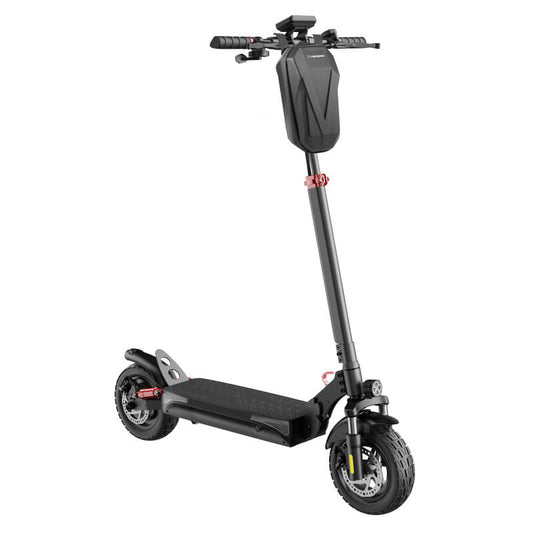
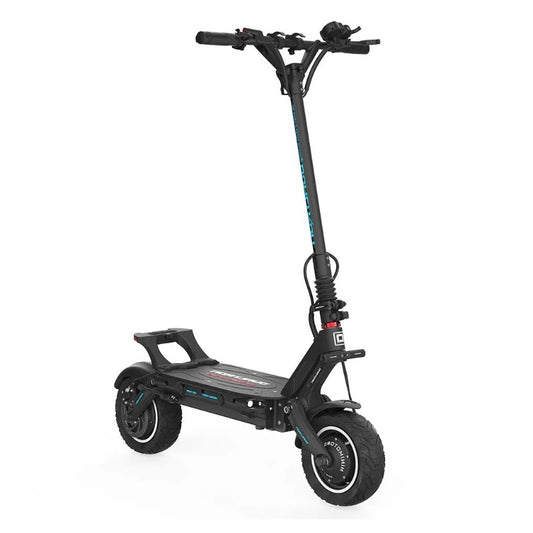
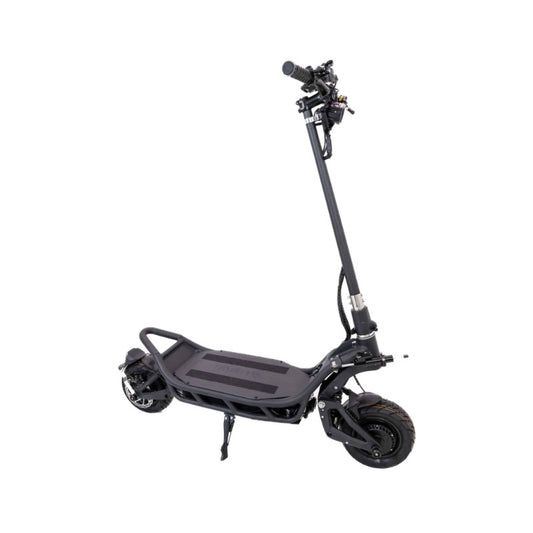
These are the two-wheeled, stand-up kick scooters you see everywhere in bike lanes. Models range from lightweight entry-level commuters to dual-motor beasts like the Apollo Phantom or KuKirin G3 Pro that can handle serious off-road trails.
- The Vibe: Agile, portable, and engaging. You stand up, lean into corners, and actively participate in the ride.
The E-Moped
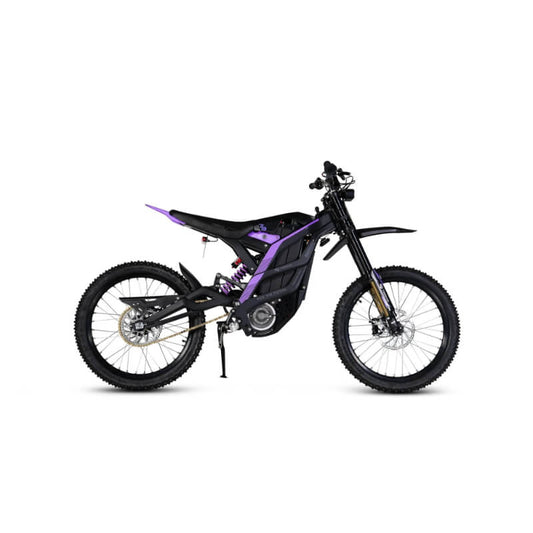
"E-moped" is a broad term. Technically, a true moped has a step-through frame, a sit-down seat, and operates entirely on throttle.
However, here in BC, the market is split into two categories:
- Moped-Style E-Bikes: These look like vintage mopeds or small motorcycles but have functional pedals (e.g., Heybike Ranger S). Because they have pedals and are speed-limited (usually 32 km/h), they are legally classified as Electric Bikes (Motor Assisted Cycles) and don't require a license or insurance.
- Limited-Speed Motorcycles (LSMs): These are true electric mopeds (like a Vespa) with no pedals. They can hit speeds up to 70 km/h. Under ICBC rules, these require a driver's license, vehicle registration, and insurance.
For the sake of this comparison, I am going to focus primarily on moped-style e-bikes and entry-level LSMs, as they are what most commuters are cross-shopping against high-end electric scooters.
If your comparison is more about a regular e-bike versus an e-scooter, check out our full guide: [E-Bike vs E-Scooter: Which One Is Better for You?]
1. Comfort and Ride Quality

E-Moped: If your priority is absolute comfort, the e-moped wins. You get a plush, wide seat, a relaxed, upright riding position, and typically larger tires (often 14 to 20 inches). Potholes, streetcar tracks, and rough pavement are absorbed easily. If you have a long commute (15+ kilometres each way), sitting down will save your legs and lower back.
Electric Scooter: Riding a scooter is an active experience. You are standing, bending your knees to absorb shocks, and shifting your body weight. While high-end scooters have fantastic hydraulic suspension systems, you will still feel the road more than you would on a moped because the tires are smaller (usually 8.5 to 11 inches). Scooters are undeniably fun, but after 45 minutes of continuous riding, you will start to feel it in your legs.
2. Portability and Storage
Electric Scooter: This is the electric scooter's superpower. Even a heavier performance scooter can fold down in seconds. You can bring it into an elevator, tuck it under your desk at the office, or throw it in the trunk of a car. Theft is a major concern in Vancouver, and the best way to prevent your ride from being stolen is to bring it inside with you.
E-Moped: E-mopeds are heavy (often 70 to 150 lbs) and they do not fold. You cannot carry an e-moped up a flight of stairs, and you certainly aren't bringing it into your office. You have to park it on the street or in a secure garage. This means you need to invest heavily in high-grade U-locks and chains, and you will likely be leaving it out in the Vancouver rain, which requires a good waterproof cover to protect the electronics.

3. Maintenance and Repairs
As a mechanic, this is where I see the biggest differences.
Electric Scooter Maintenance:
Scooters are relatively simple, but they are subjected to a lot of vibration. Routine maintenance mostly involves checking tire pressures, adjusting mechanical or hydraulic brake calipers, and ensuring the folding mechanism is tight.

- The downside: Changing a tire on an electric scooter—especially a solid tire or a split-rim motor wheel—can be incredibly frustrating for a DIYer. The compact wiring near the motor requires patience.
E-Moped Maintenance:
E-mopeds share a lot of DNA with bicycles and motorcycles. If you buy a moped-style e-bike, you are dealing with standard bicycle components: chains, derailleurs, and standard hydraulic disc brakes.
- The upside: Any bike shop or PEV mechanic can easily work on them. Changing a tire on a 20-inch fat-tire e-moped is much easier than wrestling with a 10-inch scooter tire.
- The downside: If it has pedals, you have a drivetrain to maintain. Chains need to be cleaned and lubed regularly, especially if you ride through the wet winter months on the West Coast.
4. BC Regulations and Where You Can Ride
You cannot ignore the law when choosing your vehicle.
Electric Scooters: In British Columbia, electric kick scooters are governed by provincial pilot projects. In participating municipalities (like Vancouver, Richmond, and Kelowna), you can legally ride them in bike lanes and on streets with a speed limit of 50 km/h or less. You do not need a license or insurance, but you are capped at a legal maximum speed of 24 km/h (though many scooters are capable of much more on private property).
E-Mopeds:
- If it is a moped-style e-bike (has pedals, 500W max motor output, capped at 32 km/h), it is treated like a bicycle. You can ride it in bike lanes.
- If it is a true e-moped (no pedals, LSM classification), you cannot ride it in the bike lane. You are considered a motor vehicle. You must ride in traffic with cars, and you need a driver's license (Class 5 or 7), ICBC registration, and insurance.
The Verdict: Which Should You Buy?

Buy an Electric Scooter if:
- You need to carry it up stairs or bring it inside your apartment/office.
- Your commute involves taking the Skytrain or a bus for part of the trip.
- You want a fun, nimble, and highly engaging ride.
- You don't want to deal with ICBC insurance or registering a vehicle.
Buy an E-Moped if:
- You have a secure, ground-level place to park it at home and at work.
- Your commute is long and you prefer to sit down.
- You want to carry groceries, cargo, or occasionally a passenger.
- You want the physical stability of larger tires for dealing with rough city streets.
If you are still on the fence, the best thing you can do is test ride both. Stop by the ProMech BC shop in Vancouver—we can walk you through the options, show you the internal components, and help you find the perfect machine for your specific commute.