Electric scooters are a practical way to get around Vancouver, especially for short commutes, errands, and connecting to transit. But before you ride, it is important to understand where e-scooters are allowed, what type of scooter is street legal, and which rules can get you ticketed.
Vancouver is part of British Columbia’s electric kick scooter pilot project, which means e-scooters can be used on public roads in the city as long as riders follow both provincial rules and local Vancouver regulations. You can check the official rules through the Province of British Columbia and the City of Vancouver.
Are E-Scooters Legal in Vancouver?
Yes, electric kick scooters are legal in Vancouver, but only if the scooter and rider meet the rules under BC’s electric kick scooter pilot program.
In simple terms, you can ride an e-scooter in Vancouver if:
- You are at least 16 years old
- You wear a helmet
- Your scooter meets BC’s legal e-scooter requirements
- You ride in permitted areas
- You follow road signs, traffic signals, and local bylaws
You do not need a driver’s licence or vehicle insurance to ride a legal electric kick scooter in Vancouver.
What Type of E-Scooter Is Street Legal in BC?

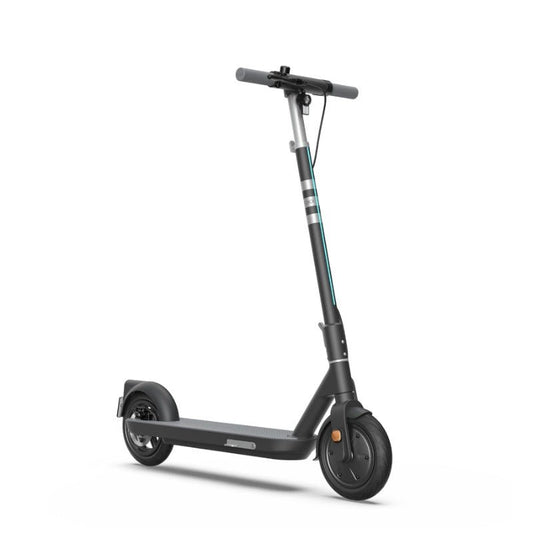
Not every electric scooter sold online or in stores is legal for street use in Vancouver. Under BC rules, a legal electric kick scooter must meet specific requirements.
A street-legal e-scooter must have:
- A standing platform and handlebars
- No seat or enclosed riding area
- One or more electric motors with a continuous power output of no more than 500 watts
- A maximum speed capability of 25 km/h on a clean, paved, level surface
- A weight of no more than 45 kg, including the battery and motor
- Working brakes
- A bell or horn
- Front and rear lights when riding between sunset and sunrise
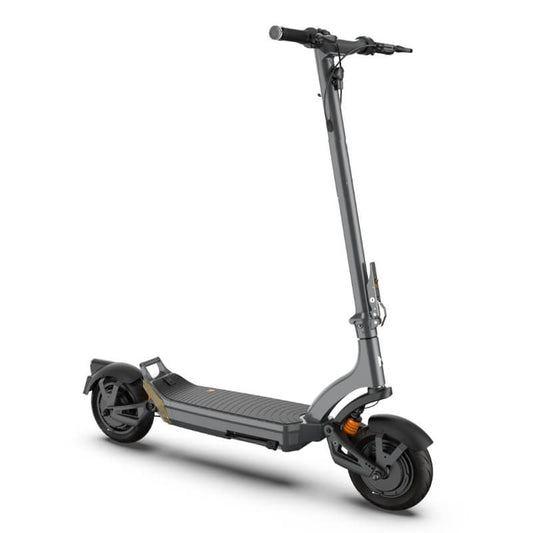
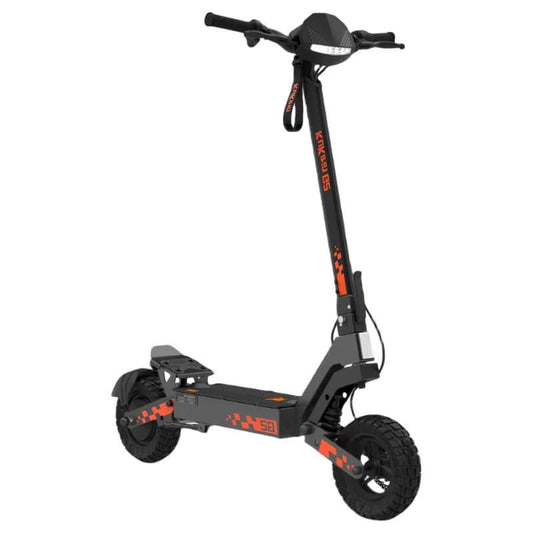
This is one of the most important things to check before buying an electric scooter. Some high-powered performance scooters may be great machines, but they may not meet BC’s legal definition for public-road use.
Where Can You Ride an E-Scooter in Vancouver?
According to the City of Vancouver, e-scooters can be used on:
- City streets, using the roadway, not sidewalks
- Bike lanes
- Bikeways
- Greenways
- The Seawall and park paths where bikes are allowed
Bike lanes and cycling routes are usually the safest choice, especially for newer riders. On shared paths like the Seawall, slow down, stay in the correct lane, and give people walking plenty of space.

If a sign says e-scooters are not allowed in a certain area, follow the sign.
Where Are E-Scooters Not Allowed?
In Vancouver, you should not ride an e-scooter on:
- Sidewalks
- Crosswalks
- Pedestrian-only areas
- Roads or paths where signs prohibit e-scooters
- Public roads outside participating BC pilot communities, unless specific rules allow it
If you need to use a sidewalk, get off and walk your scooter. This is safer for pedestrians and helps avoid tickets.
Vancouver E-Scooter Speed Limit
The maximum allowed e-scooter speed in Vancouver is 25 km/h.
That does not mean you should always ride at 25 km/h. On busy bike routes, the Seawall, shared paths, or rainy days, it is safer to slow down and match the conditions around you.
Helmet, Age, Phone, and Passenger Rules
Here are the key rider rules:
- You must be 16 or older
- You must wear a helmet
- You cannot carry a passenger
- You cannot ride while impaired by alcohol or drugs
- You cannot use your phone or another electronic device while riding
- You must use lights between sunset and sunrise
- You must signal when turning
- You must use your bell or horn when passing pedestrians or other riders
These rules are not just safety suggestions. Violations can result in tickets, fines, or other penalties.
Are High-Powered E-Scooters Legal in Vancouver?
This is where many riders get confused.
A scooter that can go much faster than 25 km/h, has more than 500 watts of continuous motor output, weighs more than 45 kg, or includes a seat may not qualify as a legal electric kick scooter under BC’s pilot rules.
That does not automatically mean the scooter is useless, but it may not be legal to ride on public roads, bike lanes, or shared paths in Vancouver. If you are buying a scooter for commuting, always ask whether it meets BC’s street-legal e-scooter requirements before purchasing.

Can You Get a Ticket on an E-Scooter in Vancouver?
Yes. E-scooter rules in Vancouver are enforceable, and violations may result in a ticket.
Common reasons riders can get ticketed include:
- Riding on the sidewalk
- Riding without a helmet
- Riding while using a phone
- Carrying a passenger
- Riding while impaired
- Using a scooter that does not meet legal requirements
- Ignoring signs or traffic signals
The safest approach is simple: ride like a cyclist, use bike infrastructure when possible, stay off sidewalks, and keep your scooter within the legal limits.
Rain Riding in Vancouver
Vancouver weather can change quickly, and wet roads make e-scooters harder to control. Rain reduces traction, increases braking distance, and makes painted road lines, metal plates, leaves, and potholes more slippery.
Before riding in the rain, check:
- Tire condition and tread
- Brakes
- Lights
- Bell or horn
- Battery cover and charging port area
- Whether your scooter is designed for wet-weather riding
Even if your scooter has water resistance, avoid deep puddles and do not ride through standing water. Water damage is one of the most common and expensive electric scooter problems.
Quick Pre-Ride Safety Check
Before every ride, do a quick check:
- Brakes respond properly
- Tires are firm and not damaged
- Folding mechanism is locked
- Lights work
- Bell or horn works
- Battery has enough charge
- No loose bolts, strange noises, or warning lights
If something feels off, do not ignore it. Small scooter issues can become serious safety problems once you are riding in traffic.