Electric Scooter Hub Motor: Problems, Replacement, and What Riders Should Know

The hub motor is one of the most important parts of an electric scooter. It is the component inside the wheel that turns electrical power into motion and gets the scooter moving.
Most modern electric scooters use hub motors because they are compact, quiet, efficient, and easier to maintain than older chain-drive systems. But when a hub motor starts acting up, the symptoms can be confusing. A scooter may turn on but not move, cut in and out, make rough noises, or feel weak even though the battery still has charge.
The tricky part is that not every “motor problem” is actually caused by the motor. Sometimes the real issue is the controller, throttle, brake sensor, wiring, battery, or motor cable. That is why proper diagnosis matters before replacing parts.
If your scooter is already showing serious symptoms, ProMechBC offers electric scooter repair in Vancouver for motor, electrical, brake, battery, and tire-related problems.

What Is an Electric Scooter Hub Motor?
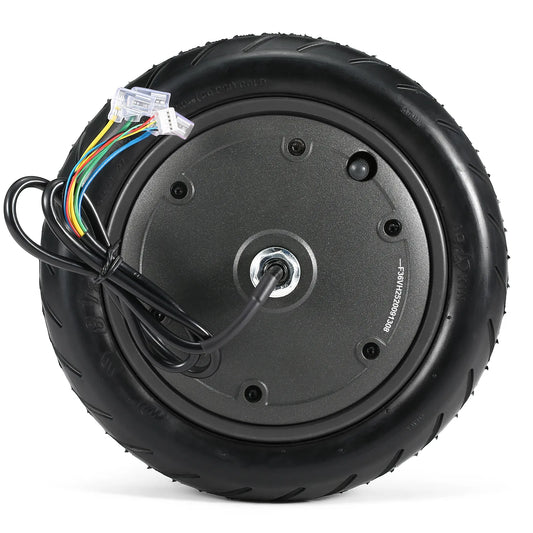
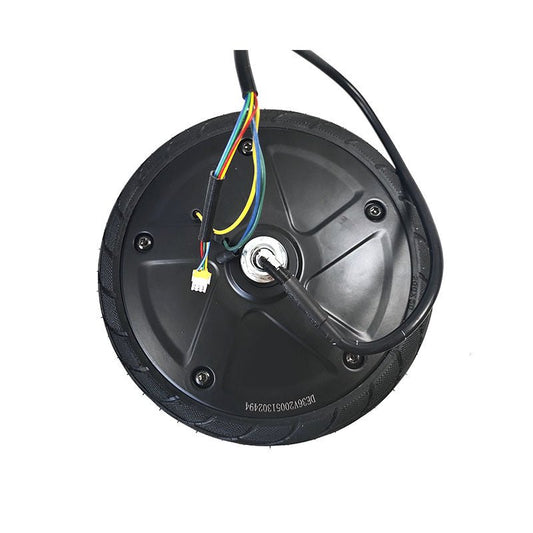
An electric scooter hub motor is a motor built directly into the wheel. Instead of using a chain, belt, or external drivetrain, the motor sits inside the wheel hub and rotates the wheel from within.
This design is common on commuter scooters, performance scooters, and many shared e-scooters because it keeps the scooter simple and compact. There are fewer external moving parts, which usually means less routine maintenance.
A hub motor works with several other parts:
- The battery supplies power.
- The controller manages how much power is sent to the motor.
- The throttle tells the controller when the rider wants acceleration.
- The motor cables carry power and signal between the controller and motor.
- The brake sensors can cut motor power when the brakes are activated.
That is why a scooter motor should never be diagnosed in isolation. The motor may be the part that moves the wheel, but it depends on the rest of the electrical system to work properly.
For a broader explanation of how these systems work together, read ProMechBC’s guide to battery, motor, and controller basics.
Why Hub Motors Are So Common on Electric Scooters
Hub motors are popular because they fit the design of electric scooters very well. They are compact, quiet, and built into the wheel, which keeps the scooter frame cleaner and easier to fold.
Compared with chain-drive systems, hub motors usually require less maintenance. There is no chain to lubricate, no belt to tension, and fewer exposed drivetrain parts.
For most riders, this is a major advantage. A commuter scooter needs to be practical, easy to store, and reliable for everyday riding. A hub motor supports that kind of design.
However, hub motors are not maintenance-free. They still rely on wiring, connectors, bearings, controller communication, and proper wheel condition. Water intrusion, impact damage, overheating, loose cables, or internal sensor failure can still cause problems.
Common Signs of Electric Scooter Hub Motor Problems
A failing hub motor does not always fail all at once. Sometimes the symptoms start small and get worse over time.
Common signs of a possible hub motor problem include:
- The scooter powers on but the wheel does not spin
- The motor cuts in and out while riding
- The wheel feels rough, stiff, or notchy when turned by hand
- The scooter makes grinding, clicking, or scraping noises from the motor wheel
- Acceleration feels uneven or jerky
- The scooter suddenly loses power under load
- The motor area smells burnt or overheated
- The scooter shows motor, hall sensor, or controller-related error codes
- The motor cable looks melted, damaged, loose, or corroded
These symptoms should not be ignored. A motor or wiring issue can get worse if the scooter is ridden while damaged. If the motor is cutting out, making unusual noises, or overheating, stop riding and inspect the scooter before using it again.
Is It Really the Motor, or Something Else?
This is where many riders get stuck. A scooter may feel like it has a bad motor, but the actual fault may be somewhere else.
For example, if the scooter turns on but does not move, the problem could be the throttle, brake sensor, controller, battery output, wiring, or motor itself. If the scooter feels weak or cuts out on hills, the issue could be low battery voltage, controller protection, overheating, or a damaged connector.
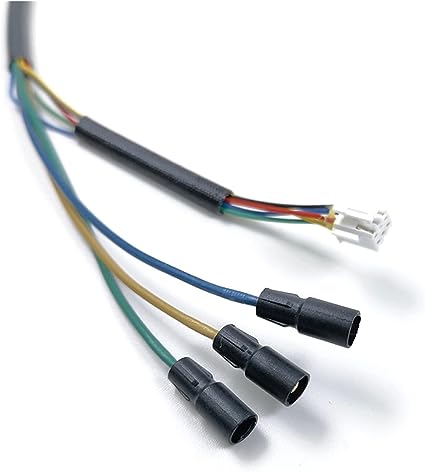
A damaged motor cable can also mimic motor failure. If the motor cannot communicate properly with the controller, the scooter may hesitate, jerk, stop responding, or show an error code. ProMechBC carries motor cables for Ninebot MAX G30, ES1, ES2, and ES4 scooters, which are designed to restore the connection between the motor and controller when that cable is the actual problem.
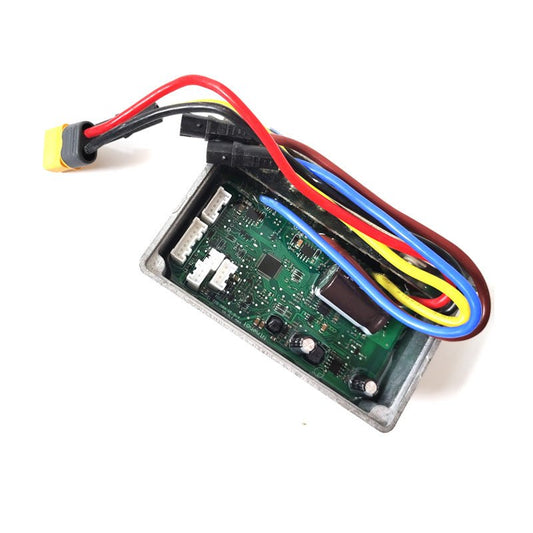
The controller is another common source of confusion. The controller is the part that manages power delivery to the motor. If it fails, the scooter may act like the motor is dead even when the motor itself is still usable. Replacement controllers, such as the controller for Ninebot MAX G30, must match the scooter properly to avoid further issues.

This is why guessing can get expensive. Replacing a motor when the real issue is a controller, cable, or sensor does not solve the problem.
What Causes Hub Motor Problems?
Hub motor problems can happen for several reasons. Some are caused by normal wear, while others are caused by water, impact, electrical stress, or poor repairs.
One common cause is water exposure. Electric scooters are not all designed to handle heavy rain, deep puddles, or pressure washing. Water can enter the motor, wiring, controller area, or connectors and create corrosion or short circuits.
Impact damage is another issue. Hitting potholes, curbs, or road debris can damage the wheel, axle, motor cable, bearings, or internal components. Even if the scooter still rides afterward, the motor wheel may start making noise or feel rough.
Overheating can also affect motor performance. Long hill climbs, heavy rider loads, aggressive acceleration, or riding with low tire pressure can make the motor and controller work harder. Occasional heat is normal, but repeated overheating can shorten the life of electrical parts.
Poor installation or mismatched replacement parts can create problems too. A motor that fits physically is not always electrically compatible. Voltage, connectors, axle size, brake setup, wheel size, and controller compatibility all matter.
Can an Electric Scooter Hub Motor Be Repaired?
Sometimes, yes. But it depends on the problem.
If the issue is a damaged motor cable, loose connector, bad controller, throttle fault, brake sensor issue, or wiring problem, the motor itself may not need to be replaced. In those cases, the repair may involve testing the electrical system and replacing the actual failed part.
If the hub motor has internal damage, water corrosion, burnt windings, severe bearing damage, or broken internal sensors, replacement may be the better option. Many scooter hub motors are replaced as a full motor-wheel assembly rather than rebuilt internally.
A professional inspection is usually the safest path because the same symptom can have multiple causes. For example, jerky acceleration could come from the motor, controller, hall sensors, wiring, or connectors. Without testing, it is difficult to know which part is responsible.
Can You Replace an Electric Scooter Hub Motor?

Yes, many electric scooter hub motors can be replaced. Some replacement motors come as complete wheel assemblies, which may include the motor and tire together.
For example, ProMechBC stocks replacement motor assemblies such as the 350W motor with tire for Xiaomi M365 and 1S and the 350W hub motor for Ninebot MAX G30, ES1, ES2, and ES4 electric scooters.
But compatibility is critical. Before replacing a hub motor, you need to confirm:
- Scooter model and version
- Motor voltage
- Connector type
- Wheel size
- Axle fitment
- Brake setup
- Tire type
- Controller compatibility
- Cable routing
- Whether the replacement motor is front or rear
A motor that looks similar may still be wrong for the scooter. Installing the wrong motor can cause poor performance, electrical errors, overheating, or controller damage.
If you are unsure which motor fits your scooter, it is better to ask before ordering. ProMechBC’s electric scooter parts collection includes replacement parts and compatibility support for riders in Vancouver and across BC.
Should You Upgrade Your Electric Scooter Motor?
In most cases, replacing a failed hub motor with the correct compatible motor is safer than trying to upgrade to a much more powerful one.
A more powerful motor may require a different controller, battery, wiring, connectors, brakes, and sometimes firmware changes. If the rest of the scooter is not designed for the extra power, an upgrade can create overheating, reduced range, electrical failure, or unsafe braking performance.
If your scooter feels underpowered, the better question is whether the scooter is the right model for your riding needs. For steep hills, heavier loads, or stronger acceleration, it may make more sense to choose a scooter designed for that use instead of heavily modifying a weaker one.
If your goal is performance, read ProMechBC’s guide on how to make an electric scooter faster before changing major electrical parts.

When Should You Get the Motor Checked?
You should get the motor checked if the scooter shows repeated power issues, unusual wheel noise, burning smell, damaged cables, or error codes that return after restarting the scooter.
It is also worth getting the motor checked after a crash, water exposure, or a hard pothole impact. Even if the scooter still turns on, hidden damage can get worse over time.
A proper diagnosis can help separate a true motor failure from a controller, cable, throttle, brake sensor, or battery issue. That saves money and prevents unnecessary part replacement.
Final Thoughts
The hub motor is one of the most important parts of an electric scooter, but it is only one part of the system. A scooter that will not move, feels weak, or makes strange noises may have a motor issue, but it could also have a controller, cable, throttle, brake sensor, or battery problem.
Before replacing the motor, make sure the scooter is properly diagnosed. The correct repair depends on finding the real cause, not just replacing the most obvious part.
For riders in Vancouver, ProMechBC can help with electric scooter motor diagnosis, replacement parts, and professional repair support so you can get back on the road safely.