Single Motor vs Dual Motor Electric Scooter: Which One Should You Buy?

If you've been shopping for an electric scooter recently, you've probably noticed that many models advertise either a single motor or dual motor setup.
For first-time buyers, it's easy to assume that dual motors are always better. In reality, the right choice depends on how and where you ride.
A commuter travelling through downtown Vancouver has very different needs than a rider tackling steep hills in North Vancouver or someone looking for high-performance weekend rides.
As technicians and scooter enthusiasts, we've seen plenty of riders spend more money than necessary on a dual-motor scooter they rarely use to its full potential. We've also seen riders buy an underpowered model only to upgrade a few months later.
Let's break down the real-world differences between single motor and dual motor e-scooters so you can make the right decision.
What Is a Single Motor Electric Scooter?
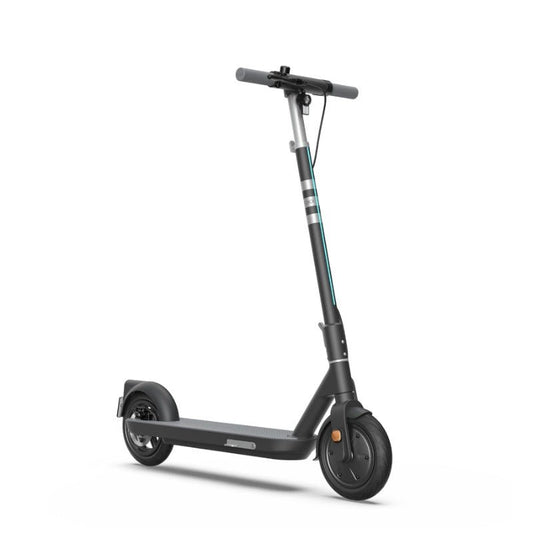
A single motor scooter uses one hub motor, typically mounted in the rear wheel, although some models use a front-wheel motor.
Examples include:
- Segway Ninebot Max G30
- NIU KQi Air
- Apollo Go
- InMotion S1F
Single motor scooters are the most common choice for commuting and everyday transportation.
The motor provides all of the scooter's propulsion, while the other wheel simply rolls freely.
What Is a Dual Motor Electric Scooter?

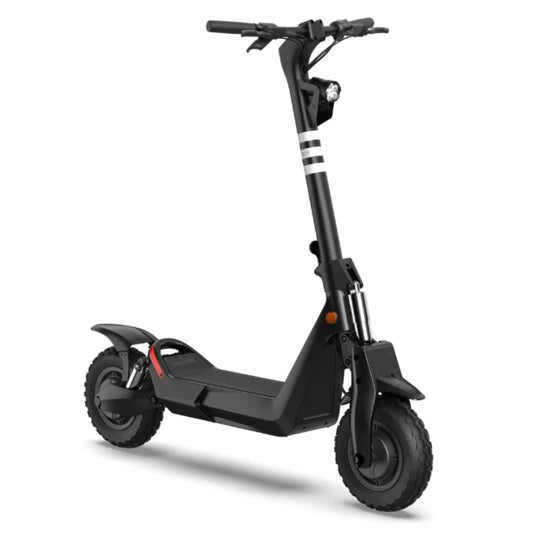
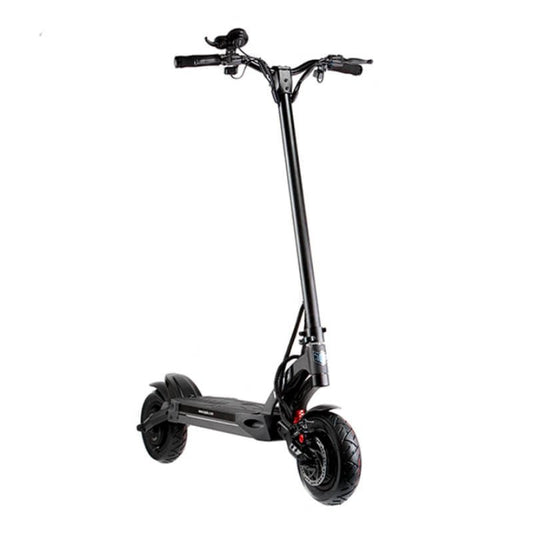
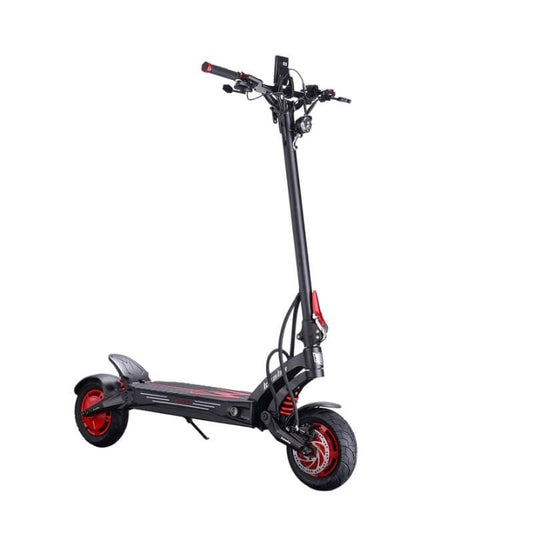
A dual motor scooter uses one motor in the front wheel and another motor in the rear wheel.
Examples include:
- Dualtron Thunder III
- Dualtron New Storm LTD
- NAMI Klima Max
- NAMI Burn-E
- Kaabo Wolf King GTR
- InMotion RS
Both motors can work together to provide significantly greater power, acceleration, hill climbing ability, and traction.
Many performance scooters allow riders to switch between single motor mode and dual motor mode depending on riding conditions.
The Biggest Difference: Power Delivery
The primary difference between the two designs is how power reaches the ground.
A single motor scooter relies on one tire to deliver all available power.
A dual motor scooter spreads power across both wheels.
This creates several advantages:
- Stronger acceleration
- Better traction
- Reduced wheel spin
- Improved hill climbing
- Greater performance under heavy loads
However, more power isn't automatically better for every rider.
For many daily commuters, a quality single motor scooter already provides more than enough performance.
Acceleration Comparison
Acceleration is where dual motor scooters immediately stand out.
Even a moderately powerful dual motor setup feels dramatically stronger than most single motor models.
This is particularly noticeable when:
- Starting from a stop
- Crossing intersections
- Climbing hills
- Carrying heavier riders
For new riders, the acceleration of some dual motor scooters can actually feel excessive until they become familiar with the throttle response.
If your primary goal is commuting rather than performance riding, acceleration alone may not justify the extra cost.

Hill Climbing Performance
This is often the deciding factor for riders in British Columbia.
Vancouver itself is relatively flat in many areas, but North Vancouver, Burnaby, West Vancouver, Coquitlam, and surrounding regions include significant hills.
A single motor scooter may climb moderate grades without difficulty, but performance varies greatly depending on:
- Motor power
- Battery voltage
- Rider weight
- Hill steepness
Dual motor scooters generally maintain speed more effectively on steep inclines because both wheels contribute to propulsion.
For riders facing regular hills, dual motors can make a noticeable difference.
Traction in Wet Conditions
British Columbia riders know that rain is part of life.
While no scooter becomes immune to slippery conditions simply because it has two motors, dual motor systems can provide better traction during acceleration.
Because power is distributed between two wheels rather than one, wheel spin is often reduced.
That said, rider technique, tire quality, and road conditions remain far more important than motor count when riding in wet weather.
Top Speed Differences
Many people assume motor count directly determines top speed.
That's not always true.
Top speed depends on multiple factors:
- Battery voltage
- Controller settings
- Motor power
- Rider weight
- Aerodynamics
However, most high-performance scooters capable of very high speeds use dual motor configurations because they require substantially more power than a single motor system can efficiently provide.
For urban commuting, top speed should rarely be the deciding factor.

Range and Battery Consumption
This area often surprises buyers.
Many assume dual motor scooters automatically have shorter range.
The reality is more complicated.
When ridden aggressively in dual motor mode, energy consumption increases significantly.
However, many dual motor scooters also include much larger battery packs than commuter scooters.
As a result, some dual motor models can actually achieve excellent real-world range despite using more power.
For a deeper look at maximizing battery performance, see our guide on How to Increase Electric Scooter Range.
Weight and Portability
This is one category where single motor scooters usually win.
Dual motor systems require:
- Additional motor
- Larger battery
- Larger controller
- Stronger frame
- Heavier suspension
The result is a significantly heavier scooter.
If you frequently:
- Carry your scooter upstairs
- Use public transit
- Store it in an apartment
- Lift it into a vehicle
a lighter single motor model is often the more practical choice.
Maintenance and Repair Considerations
From a technician's perspective, dual motor scooters contain more components that require inspection and maintenance.
Potentially affected systems include:
- Motors
- Controllers
- Wiring
- Connectors
- Bearings
This doesn't necessarily mean dual motor scooters are unreliable.
It simply means there are more components involved.
Regardless of motor configuration, regular maintenance remains important. If your scooter develops electrical faults, motor issues, or performance problems, professional electric scooter repair can help identify problems before they become major failures.
Cost Comparison
Dual motor scooters generally cost more because they include:
- Additional motor
- Larger batteries
- More powerful controllers
- Stronger chassis components
- Advanced suspension systems
For many commuters, spending the difference on better safety gear or a higher-quality single motor scooter may provide greater value.

Who Should Buy a Single Motor Scooter?
A single motor e-scooter is often the best choice if you:
- Primarily commute on paved roads
- Ride relatively flat routes
- Need portability
- Have a limited budget
- Are a new rider
- Prioritize efficiency over performance
Many riders never actually need the capabilities of a dual motor machine.
Who Should Buy a Dual Motor Scooter?
A dual motor scooter may be the better choice if you:
- Regularly ride steep hills
- Carry heavier loads
- Want stronger acceleration
- Frequently ride longer distances
- Enjoy performance riding
- Need additional traction in challenging conditions
Performance-oriented riders typically appreciate the versatility of a dual motor platform.

Our Recommendation
For most commuters in Vancouver, a quality single motor scooter offers the best balance of price, range, portability, and practicality.
However, if you regularly encounter steep hills, want stronger acceleration, or are shopping for a high-performance machine, a dual motor scooter can be a worthwhile investment.
The best choice isn't necessarily the scooter with the most motors. It's the one that matches your actual riding needs.
Before buying, think honestly about your daily routes, rider weight, storage situation, and long-term expectations. Choosing the right platform from the beginning can save both money and future upgrades.