Electric Scooter Voltage Explained: 36V, 48V, 52V, 60V and 72V Scooters

When shopping for an electric scooter, most riders focus on top speed, range, or motor power. But one specification often appears in product descriptions without much explanation: voltage.
You'll see models advertised as 48V, 52V, 60V, or even 72V electric scooters. So what does that actually mean, and how much should it influence your buying decision?
The truth is that voltage affects performance, but it doesn't tell the whole story. A well-designed 48V scooter can outperform a poorly designed 60V scooter. Understanding voltage simply helps you choose a scooter that matches your riding style and expectations.
What Does Voltage Mean on an Electric Scooter?
Voltage is part of the scooter's electrical system and affects how power is delivered from the battery to the motor.
In general:
- Higher voltage systems can support higher performance.
- Higher voltage often improves acceleration.
- Higher voltage can help maintain speed under load.
- Higher voltage is commonly found on premium and high-performance scooters.
However, voltage should always be considered alongside motor power, controller tuning, battery quality, rider weight, and terrain.
Does Higher Voltage Always Mean a Better Scooter?
Not necessarily.
For example, a quality 48V commuter scooter may be the perfect choice for daily urban transportation, while a 72V performance scooter could be excessive for someone riding a few kilometres to work.
The best voltage depends on how and where you ride.
36V Electric Scooters
36V systems are commonly found on entry-level scooters designed for shorter trips and lighter-duty use.

These scooters are often ideal for:
- Students
- Casual riders
- Flat urban routes
- First-time scooter owners
Examples include:
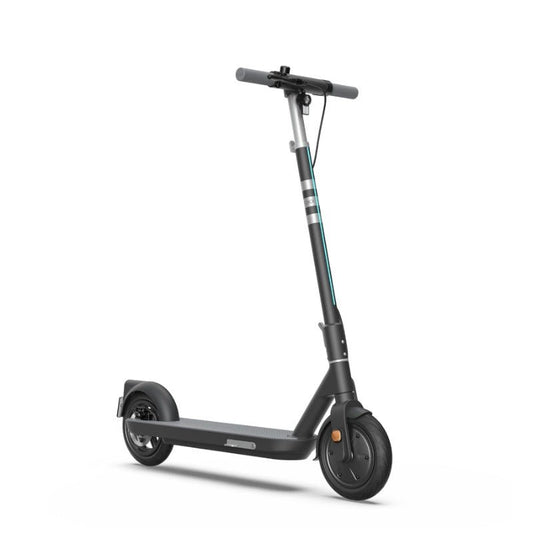
- OKAI Neon Light ES10
- Segway Ninebot ES Series
- Xiaomi commuter models
For most Vancouver riders dealing with hills, a higher-voltage scooter is usually a better long-term investment.
48V Electric Scooters
48V is one of the most common voltage categories on the market and offers a good balance between performance, range, and affordability.

These scooters work well for:
- Daily commuting
- Recreational riding
- Moderate hills
- Most urban riders
Examples include:
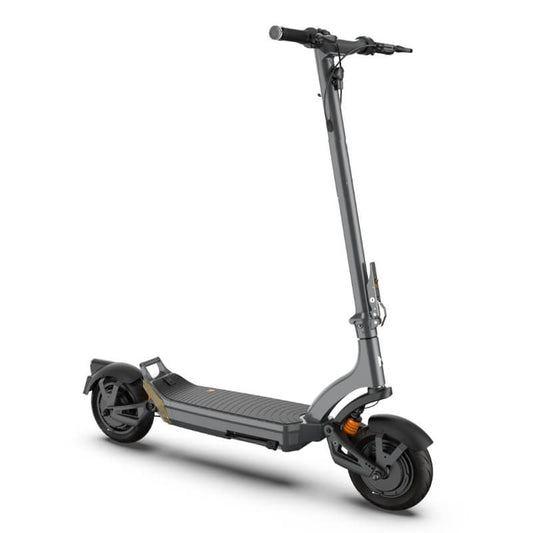
- Apollo Go
- KuKirin G2
- OKAI Neon Pro
For many riders, a quality 48V scooter provides all the performance they will ever need.
52V Electric Scooters
52V systems bridge the gap between commuter scooters and performance-oriented models.

Benefits often include:
- Stronger acceleration
- Better hill climbing
- Improved efficiency under load
Examples include:
- Apollo City
- VSETT 8
- Some premium commuter scooters from other manufacturers
While less common than 48V or 60V systems, 52V scooters are often considered a sweet spot for riders wanting extra performance without moving into heavyweight performance machines.
60V Electric Scooters
This is where scooters start feeling noticeably more powerful.
60V systems are commonly chosen by riders who regularly encounter steep hills, carry heavier loads, or simply want stronger acceleration.

Examples include:
Many riders in Burnaby, Coquitlam, and North Vancouver find that 60V scooters offer an excellent balance between everyday usability and serious performance.
72V Electric Scooters
72V scooters sit at the high-performance end of the market.
These machines are built for riders seeking maximum power, aggressive acceleration, and excellent hill-climbing ability.

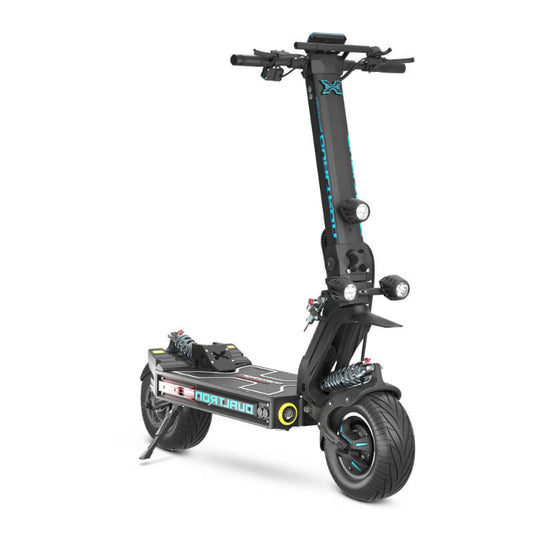
Examples include:
- Kaabo Wolf King GTR
- Apollo Pro
Other well-known 72V models include the InMotion RS and NAMI Burn-E series.
For most commuters, 72V is unnecessary. For enthusiasts and experienced riders, however, it delivers a completely different riding experience.
84V Electric Scooters
84V scooters represent the highest-performance category currently available in the consumer electric scooter market. These machines are designed for experienced riders who prioritize maximum acceleration, high-speed stability, extreme hill-climbing capability, and long-distance riding.
Compared to 60V and 72V systems, 84V platforms can deliver power more efficiently under heavy load, making them popular among performance enthusiasts and riders tackling demanding terrain.

Examples include:
For everyday commuting in Vancouver, an 84V scooter is usually more performance than most riders need. However, for enthusiasts seeking flagship-level power and technology, 84V models sit at the very top of the electric scooter market.
Which Voltage Is Best for Vancouver Riders?
There is no universal answer, but there are some practical guidelines.
For Daily Commuting
48V scooters are typically the best choice for riders travelling around Vancouver, Richmond, and downtown areas.
For Hills and Longer Rides
52V and 60V scooters are often better suited for riders dealing with steeper terrain and longer distances.
For Maximum Performance
72V scooters are ideal for experienced riders looking for top-tier acceleration, climbing ability, and performance.
Recommended Scooters by Voltage
38V
48V
52V
60V
72V
- Kaabo Wolf King GTR
- Apollo Pro
- KuKirin G4