How Much Weight Can an Electric Scooter Carry?

One of the most common questions from new riders is surprisingly simple: How much weight can an electric scooter carry?
The answer depends entirely on the scooter.
Most electric scooters sold today have a manufacturer-rated weight limit somewhere between 220 lbs (100 kg) and 330 lbs (150 kg), although some heavy-duty models are designed to support even more.
The important thing to understand is that weight limits aren't just about whether the scooter can move. They're also about safety, braking performance, handling, and long-term reliability.
Weight Limits Vary More Than Most Riders Think
Entry-level commuter scooters typically have lower weight capacities than performance-oriented models.
A lightweight scooter designed for short urban trips may have a maximum rider weight of around 220 lbs (100 kg), while larger scooters with stronger frames, more powerful motors, and upgraded suspension systems often support significantly more.
This is why checking the manufacturer's specifications is always important before purchasing.
Why Manufacturers Set Weight Limits
Weight limits are based on several factors, including:
- Frame strength
- Suspension design
- Motor performance
- Braking capability
- Tire load ratings
Exceeding the recommended limit doesn't necessarily mean the scooter will immediately fail, but it can affect how the scooter performs and how safely it handles.
Manufacturers establish these ratings to ensure the scooter operates as intended under normal riding conditions.
What Happens If You Exceed the Weight Limit?
A common question is:
"Can a 250 lb rider use a scooter rated for 220 lbs?"
Probably.
Should they do it regularly? That's a different question.
Riding above the recommended weight limit can lead to:
- Reduced acceleration
- Lower top speed
- Shorter range
- Longer braking distances
- Increased wear on tires and suspension
- More strain on the motor and battery
These effects become even more noticeable when climbing hills or carrying additional cargo.
Rider Weight vs Cargo Weight
Many riders forget that weight ratings include more than just body weight.
Backpacks, groceries, work equipment, and other items all contribute to the total load placed on the scooter.
A rider weighing 200 lbs who regularly carries a 25 lb backpack is placing considerably more demand on the scooter than the rider's body weight alone would suggest.
Why Hills Matter for Heavier Riders
Weight becomes especially important when riding on steep terrain.
A scooter that performs well on flat roads may struggle when carrying a heavier rider up long inclines.
This is one reason riders in Vancouver and other hilly parts of British Columbia should pay close attention to both motor power and weight capacity.
If hill performance is a concern, you may also want to read our guide on Can Electric Scooters Go Uphill?.
Choosing the Right Scooter for Heavy Riders
Heavier riders should generally look for scooters with:
- Strong frame construction
- Quality suspension systems
- Larger tires
- Higher load ratings
- More powerful motors
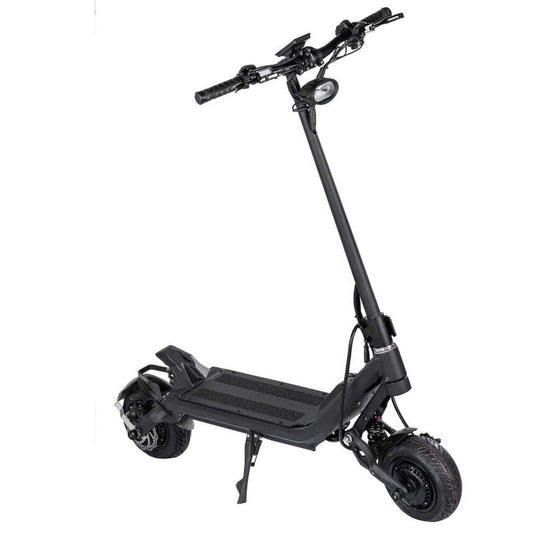
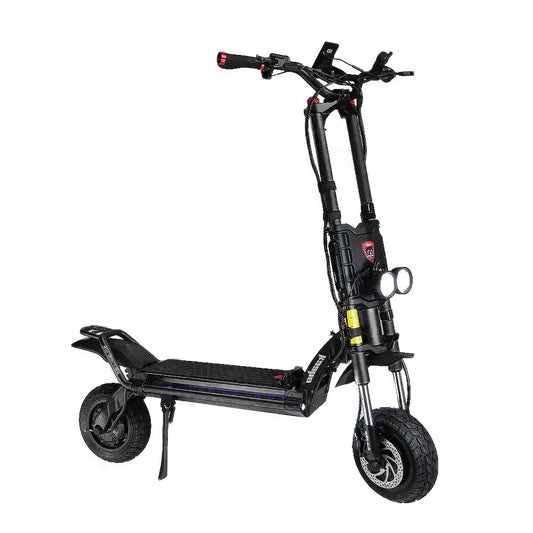
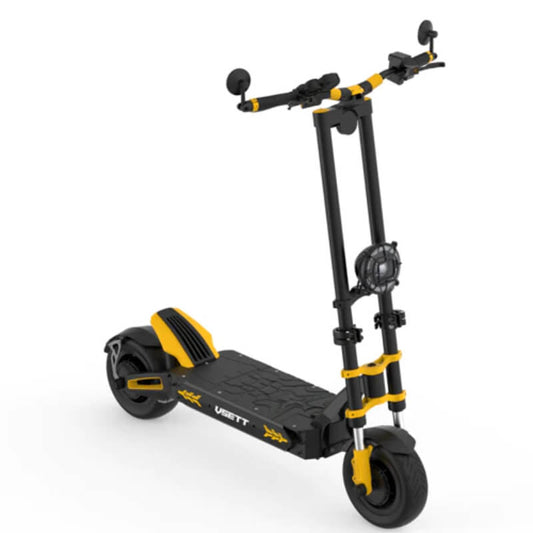
Some popular options include the NAMI Klima Max, InMotion RS, Kaabo Wolf King GTR Max, and VSETT 11+ SUPER 72.
These scooters are designed for demanding riding conditions and generally offer greater carrying capacity than typical commuter models.
Final Thoughts
Most electric scooters can safely carry between 220 and 330 lbs, but the exact limit varies by model.
Choosing a scooter that comfortably exceeds your expected riding weight will usually provide better performance, longer component life, and a more enjoyable riding experience. When in doubt, follow the manufacturer's published specifications and consider how your local terrain, riding style, and cargo needs may affect real-world performance.