How to Ride an Electric Scooter Safely for Beginners

Buying your first electric scooter is exciting. Most new riders focus on speed, range, and features, but the biggest challenge is often much simpler: learning how to ride confidently and safely.
The good news is that most people can become comfortable on an electric scooter within a few rides. The key is building good habits from the start instead of learning through close calls and mistakes.
Get Comfortable Before You Ride in Traffic
One of the biggest mistakes beginners make is riding straight into busy streets after unboxing their scooter.
Spend your first ride in an empty parking lot, quiet park pathway, or low-traffic area. Practice starting, stopping, turning, and riding at walking speed before introducing cars, cyclists, or pedestrians into the equation.
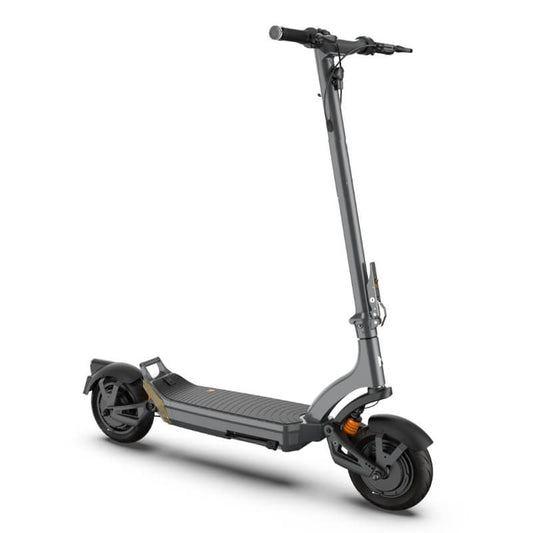
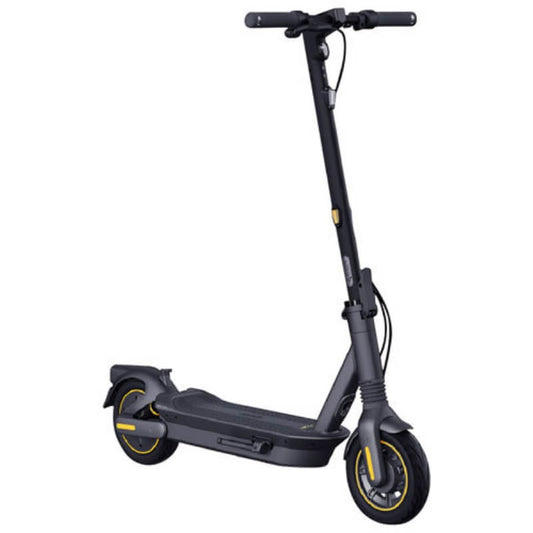
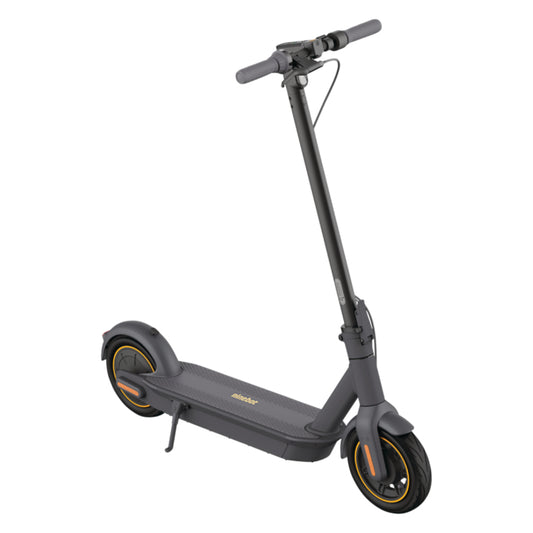
If you're still shopping for your first scooter, commuter-focused models such as the Segway Ninebot MAX G2 or Apollo City are often easier for beginners to learn on than high-performance dual-motor scooters.
Your Stance Matters More Than Most Riders Realize
Many beginners stand with both feet side-by-side. While it feels natural, it often reduces stability.

A staggered stance works much better. Place one foot slightly ahead of the other, similar to a skateboard or snowboard position. This helps your body absorb acceleration, braking forces, and bumps in the road.
Keep your knees slightly bent and avoid locking your legs.
Smooth Inputs Create Safer Rides
Electric scooters respond instantly to throttle and brake inputs.
Sudden acceleration can surprise new riders, while grabbing the brakes too aggressively can cause loss of control.
Instead:
- Roll on the throttle gradually.
- Increase speed progressively.
- Begin braking earlier than you think you need to.
- Use both brakes when available.
Smooth riders are usually safer riders.
Look Further Ahead
New riders often focus on the pavement directly in front of the scooter.
Experienced riders scan much further ahead.
Looking 10 to 20 metres down the road gives you more time to react to pedestrians, vehicles, potholes, debris, and unexpected obstacles.
Your scooter naturally follows where your eyes are looking, which also makes steering smoother.
Road Conditions Can Change Everything
An electric scooter that feels stable on dry pavement can behave very differently on wet surfaces.
Be extra cautious around:
- Painted road markings
- Metal utility covers
- Wet leaves
- Gravel
- Construction zones
Vancouver riders know how quickly conditions can change during the rainy season. If you regularly ride in hilly neighbourhoods, our guide on Can Electric Scooters Go Uphill? explains how terrain can affect control and rider confidence.
Give Yourself More Space Than You Think You Need
Unlike cars, electric scooters have small tires that react quickly to imperfections in the road.
Maintaining extra space around vehicles, cyclists, and pedestrians gives you more options if something unexpected happens.
Avoid riding directly beside parked cars where a door could suddenly open into your path.
Turning Is Different Than Riding Straight
Many beginner falls happen during low-speed turns.
Before entering a turn:
- Reduce speed first.
- Keep your movements smooth.
- Avoid braking heavily while turning.
- Look through the corner toward where you want to go.
Trying to brake hard in the middle of a turn is one of the most common causes of loss of traction.
Be Predictable Around Other Road Users
Drivers and cyclists can react more safely when they understand what you're about to do.
Avoid sudden lane changes or unexpected movements.
Use hand signals when appropriate, maintain a consistent line, and make your intentions clear whenever possible.
Predictability is one of the most underrated safety skills on any electric scooter.
If you're unsure where electric scooters are legally allowed to operate, you may also want to read Can You Ride an Electric Scooter on Sidewalks in BC?.
Mistakes Almost Every Beginner Makes
Most new riders experience at least one of these:
- Riding faster than their skill level
- Using one hand while riding
- Looking down at the display too often
- Braking too late
- Taking corners too quickly
- Becoming overconfident after a few successful rides

The first few weeks are when riders should be the most cautious, not the least.
Choose Routes That Match Your Experience
Not every route is ideal for a new rider.
If you're still building confidence, stick to:
- Bike lanes
- Multi-use pathways where permitted
- Quiet neighbourhood streets
- Low-traffic commuting routes
As your skills improve, you'll naturally become more comfortable handling busier environments.
Riders planning to use their scooter for daily transportation may also find our guide to the Best Electric Scooters for Commuting in BC useful when choosing the right model.
Final Thoughts
Learning to ride an electric scooter safely isn't about mastering advanced techniques. It's about developing smart habits from day one.
Start slowly, stay aware of your surroundings, ride smoothly, and give yourself time to build confidence. Most riders are surprised by how quickly their skills improve when they focus on control rather than speed.
Whether you're commuting through Vancouver, exploring local bike paths, or simply enjoying weekend rides, a patient approach will make every ride safer and more enjoyable.